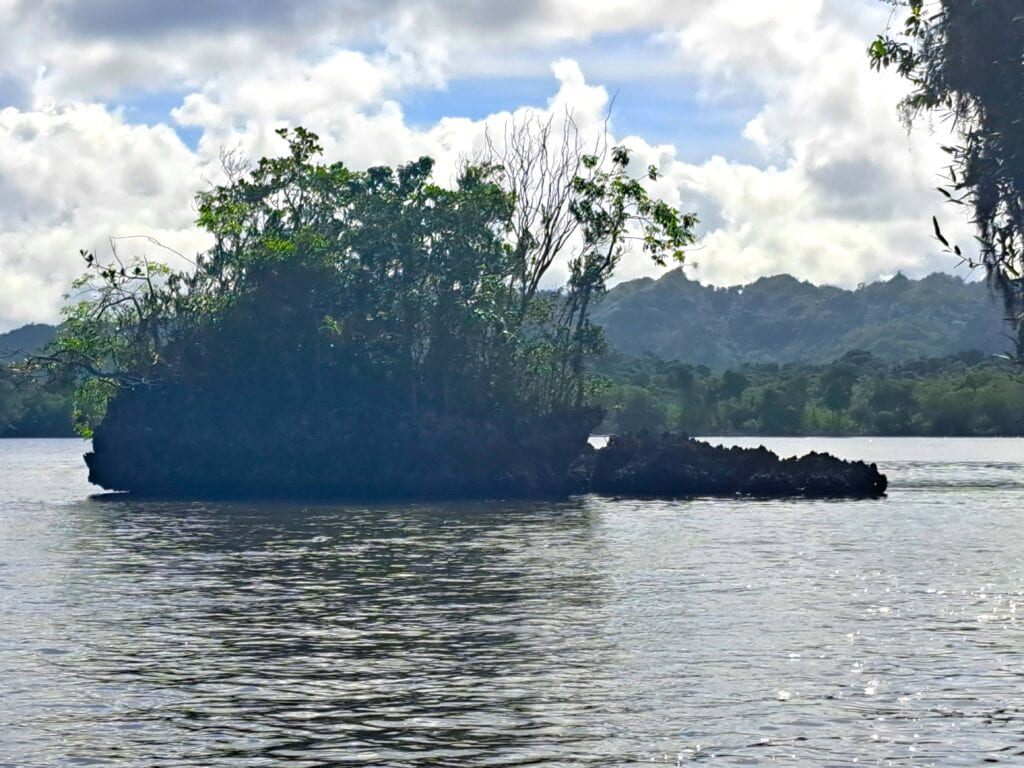
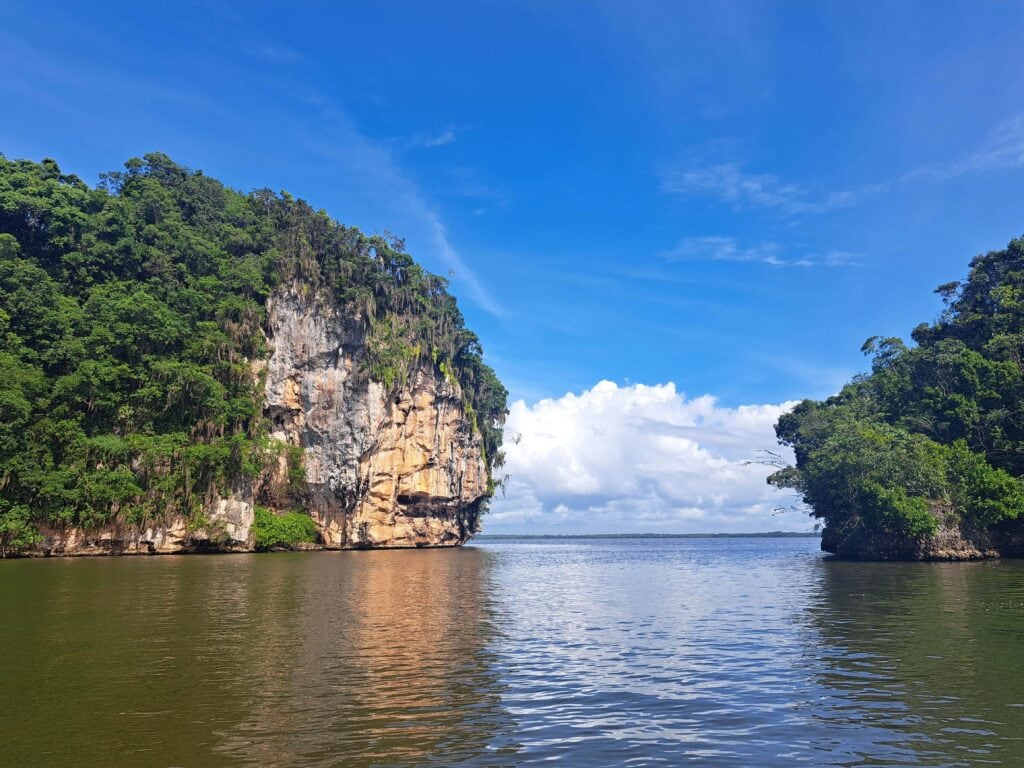
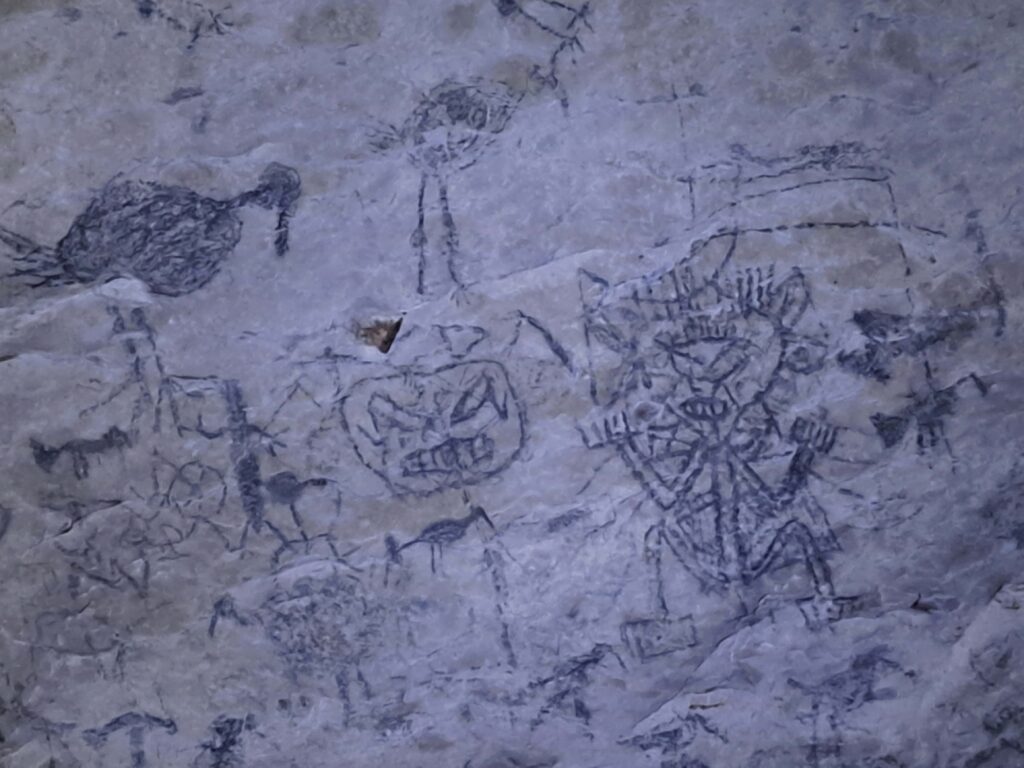
The Los Haitises National Park covers 826 square kilometers and is the green lung of the Dominican Republic. This karst region, with its numerous caves and underground waterways, was already inhabited by the indigenous people – the Taino – whose petroglyphs can still be found here.
The national park may only be entered with a guide. Sailboats can obtain a permit to visit the area. We received a four-day anchorage permit for the area from the Armada at the Bahia Samana Marina.
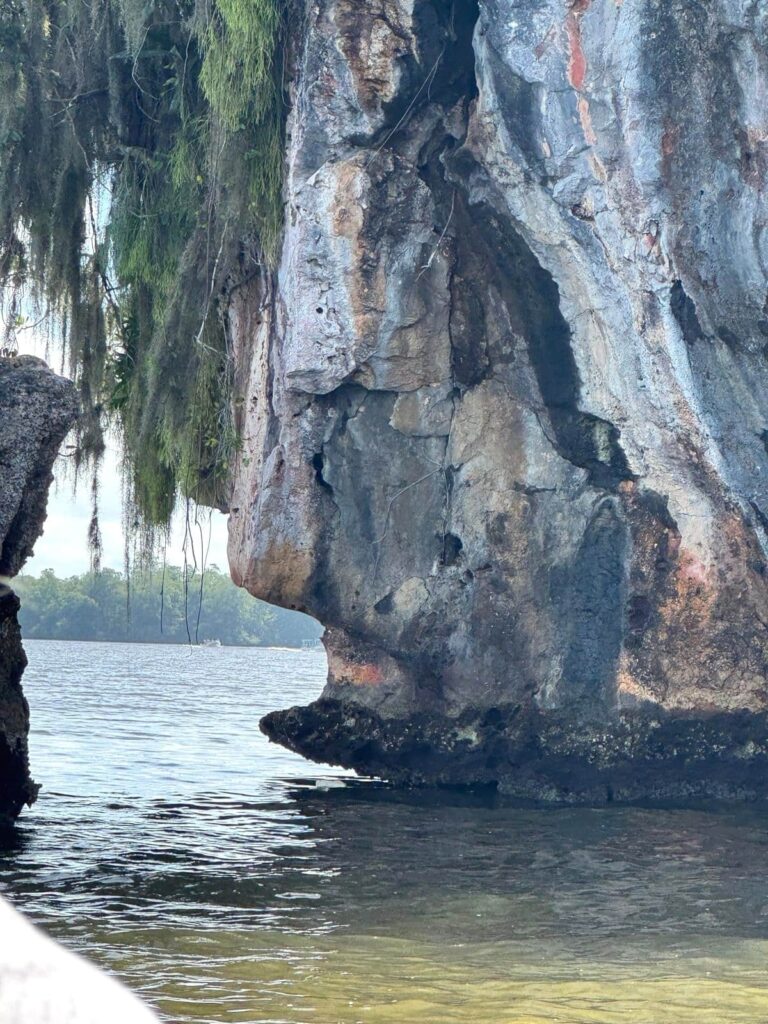
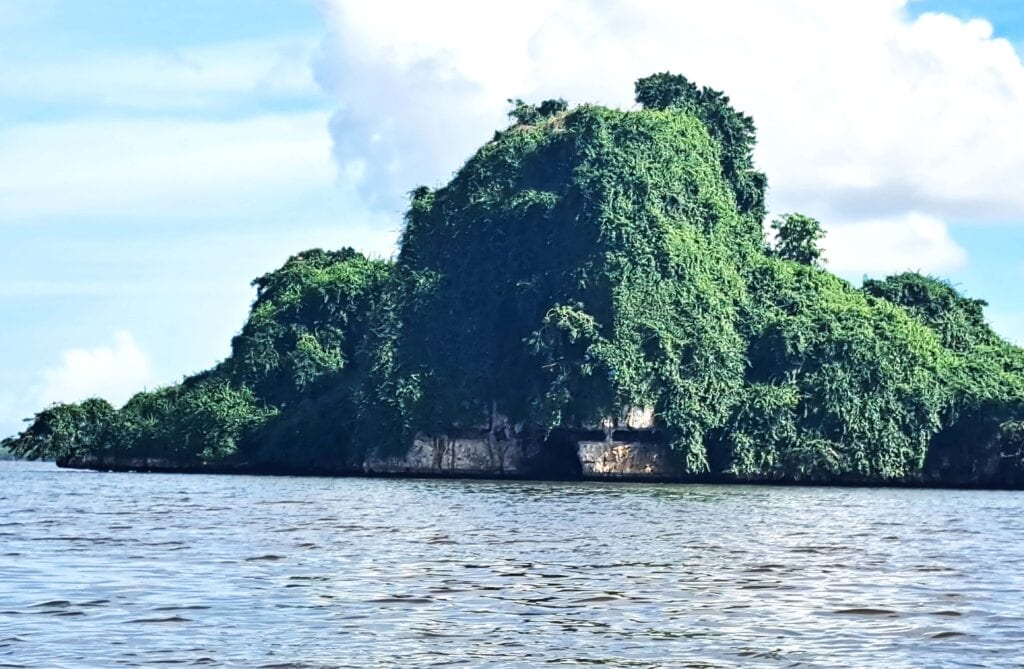
Haiti – in the language of the indigenous people – means mountainous, hilly land… and that's exactly how it presents itself at the waterline. Although the vegetation-rich hills are no more than 100 meters high, the overall picture is very impressive and unique.
Parts of Jurassic Park and Jurassic World were filmed here…
Los Haitises National Park - Dominican Republic 35
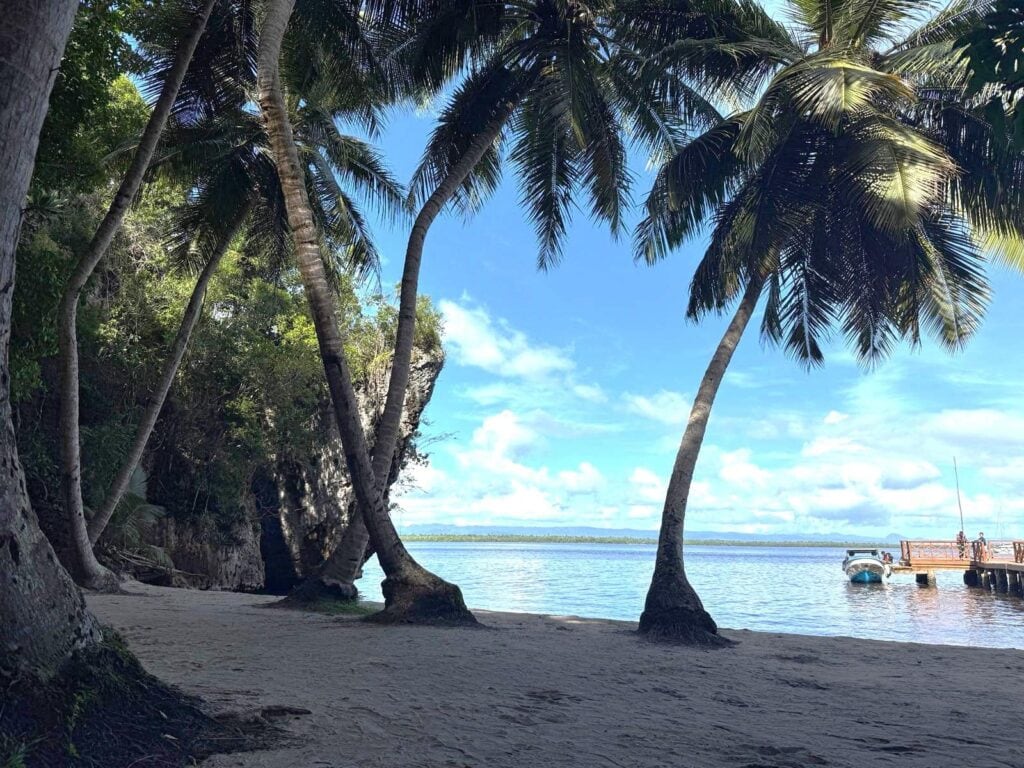
We anchor in the national park – only one other boat is in sight…
Los Haitises National Park - Dominican Republic 36
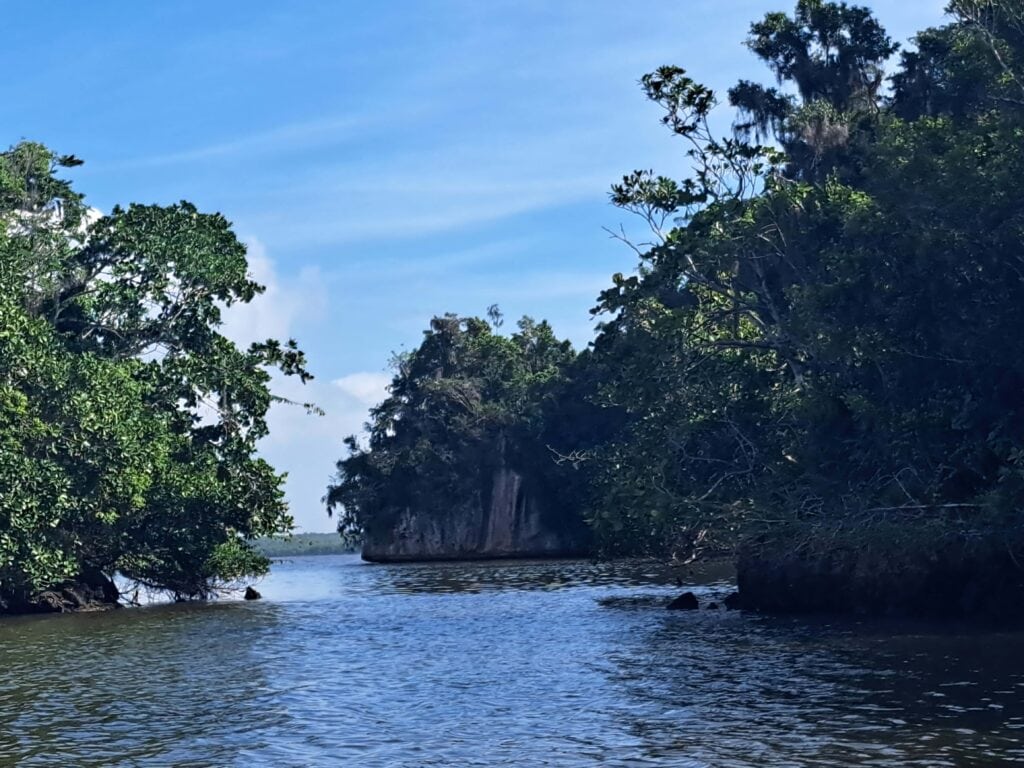
We explore the coastline and various bays by dinghy.
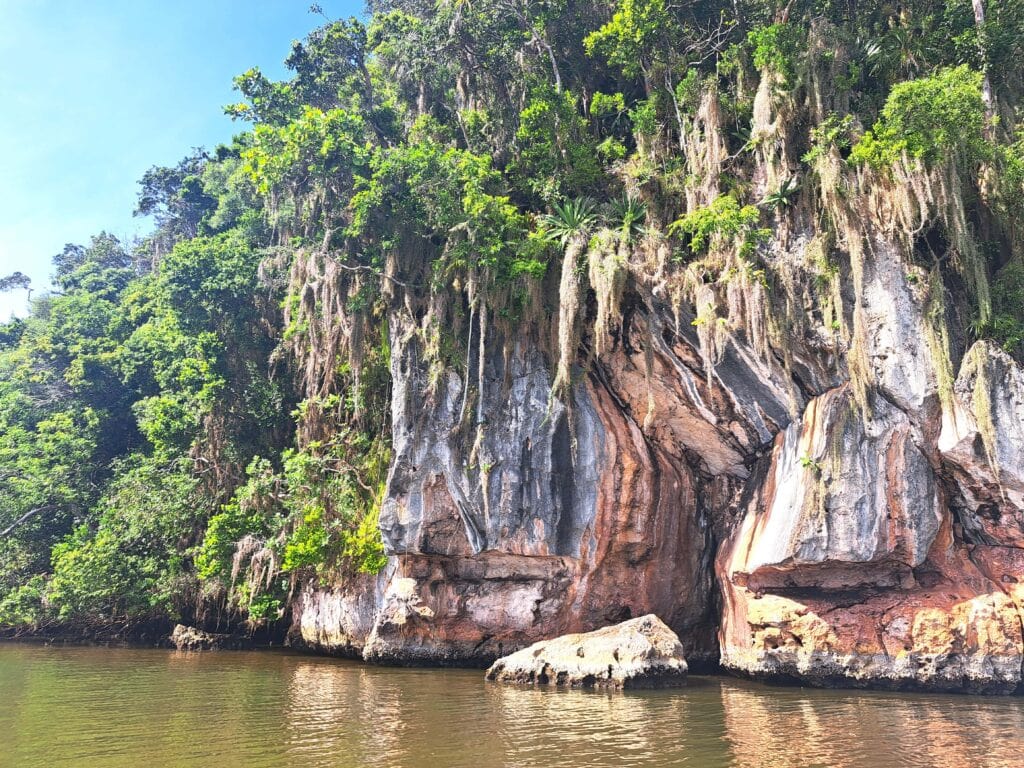
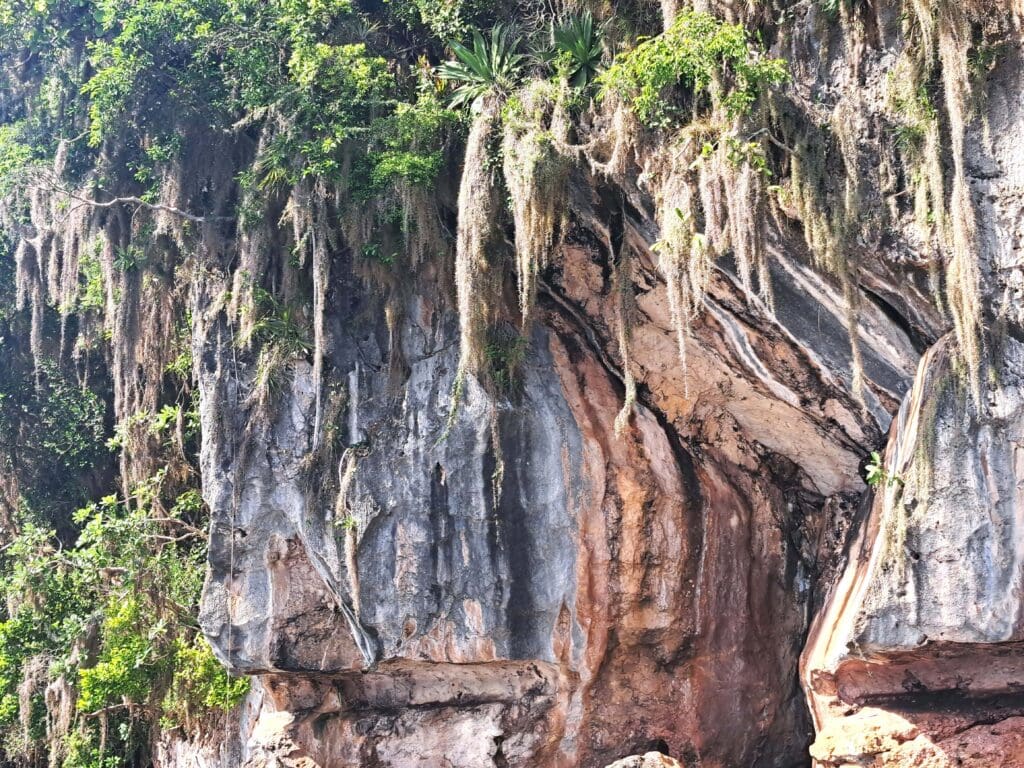
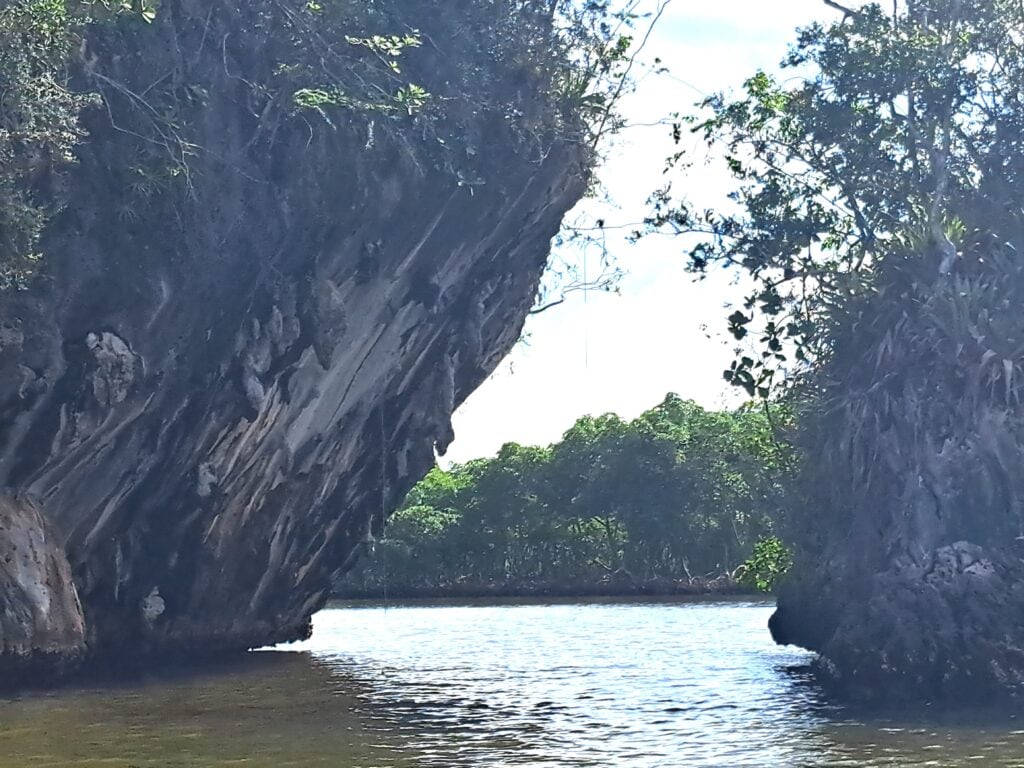
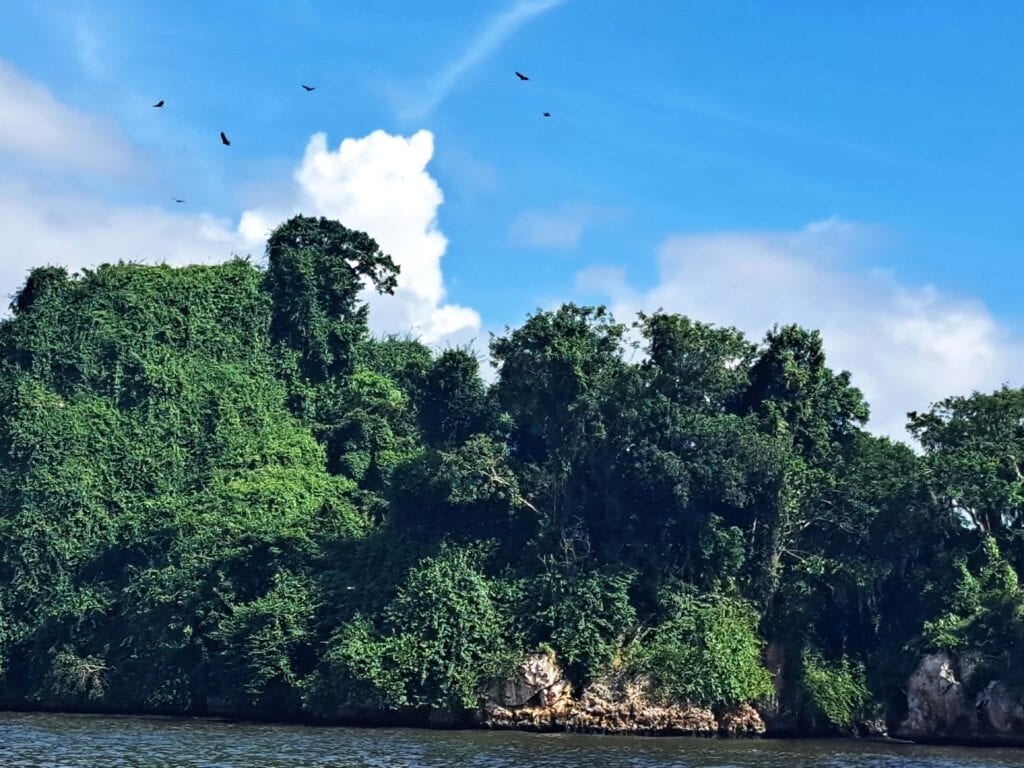
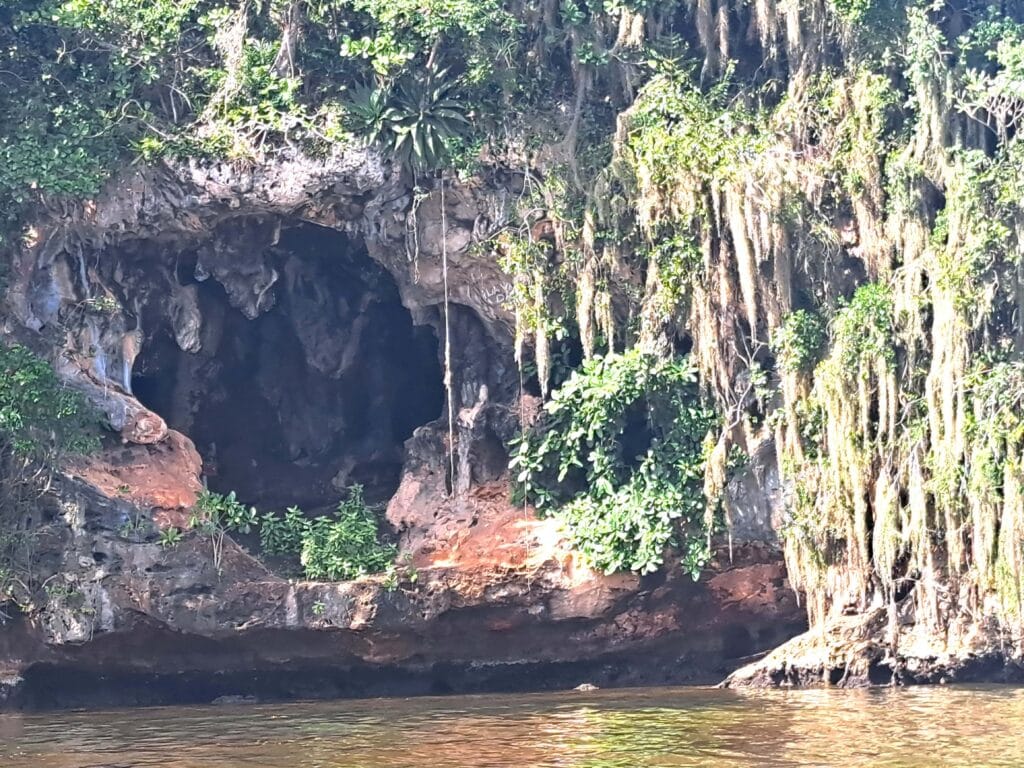
The karst rock displays a colorful grain…With the dinghy we can easily navigate between the boulders.Everywhere over surging nature – everything is green and lushSome trees are covered in witch hair…Los Haitises National Park - Dominican Republic 37Los Haitises National Park - Dominican Republic 38Turkey vultures, with a wingspan of up to 2 meters, circle calmly and majestically.
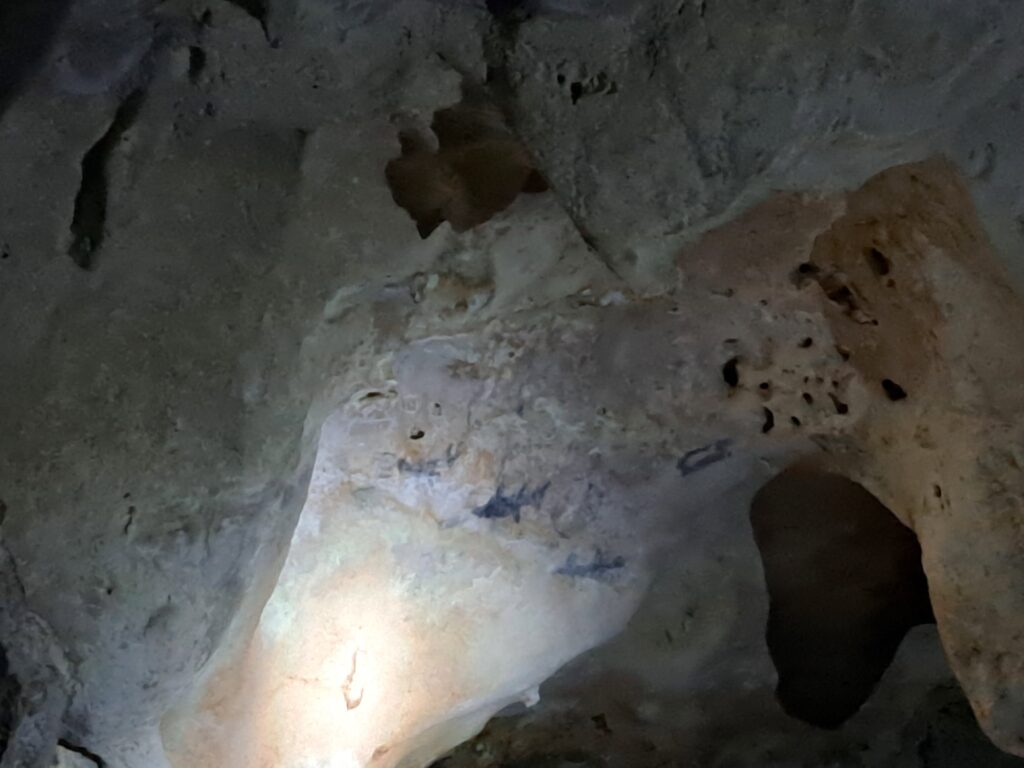
Cave of the Lines
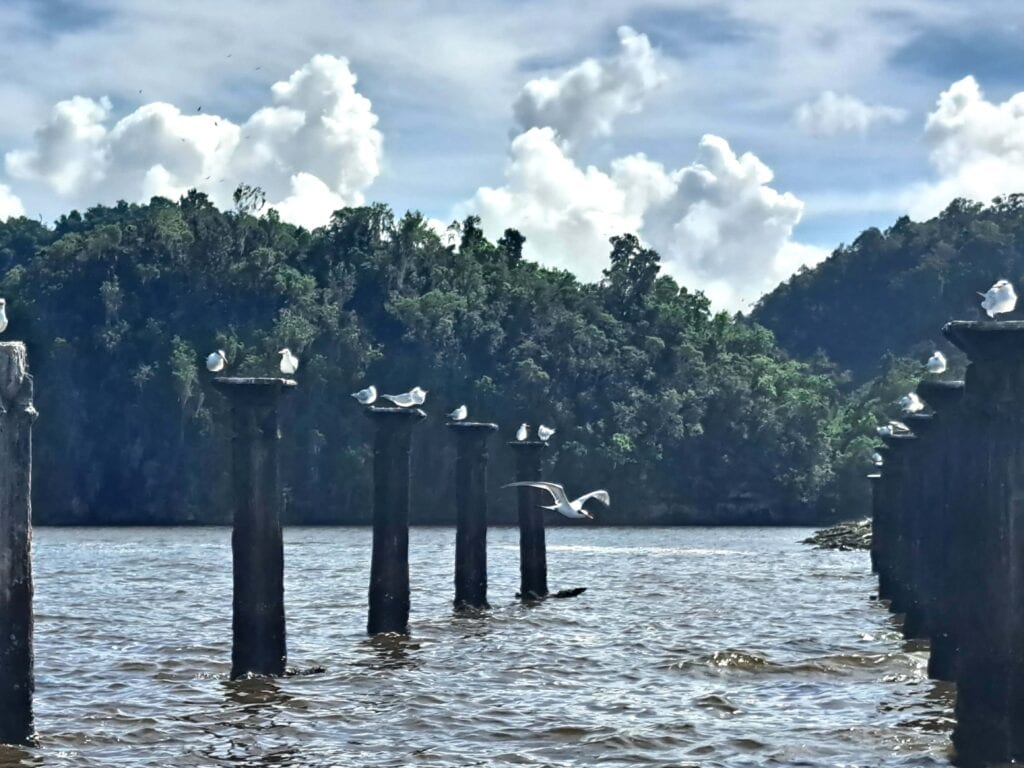
Seagulls and pelicans have made their homes on the remains of the old harbor loading station.Behind the old ruins lies the entrance to the largest accessible cave in Los Haitises.At the jetty to Cueva de las Lineas.Entrance to the Cueva de las Lineas.In the cave there are numerous wall paintings by the indigenous people of Hispaniola – the Taino,Petroglyphs of the Taino, who found refuge in the caves here.
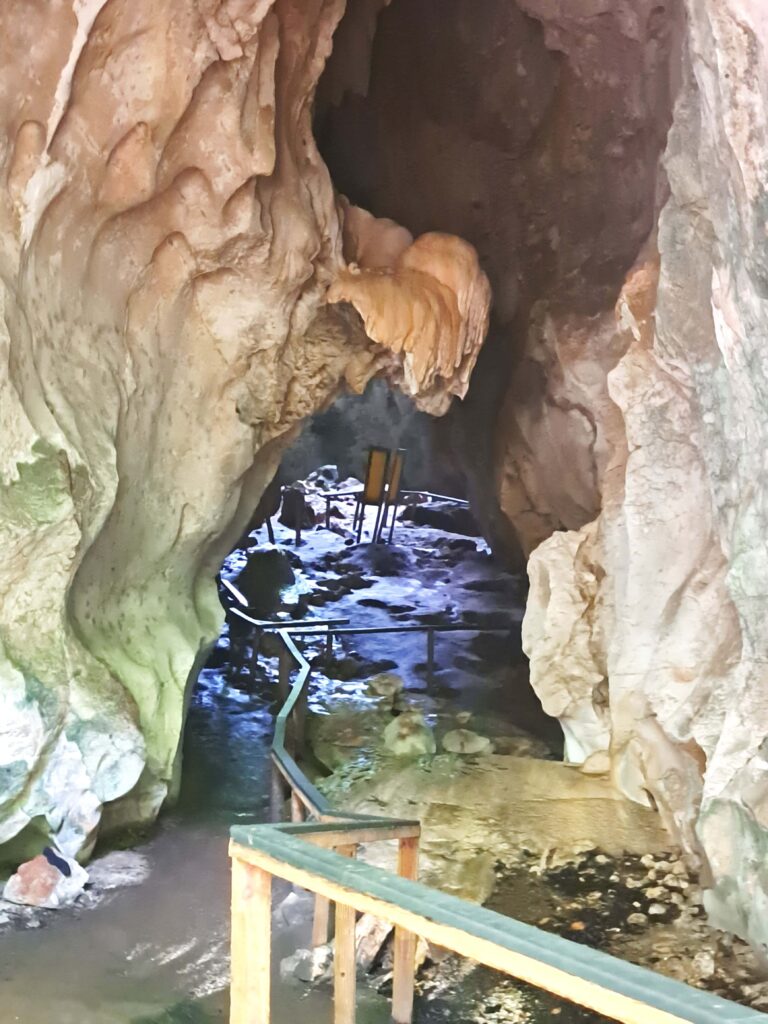
Arena Cave
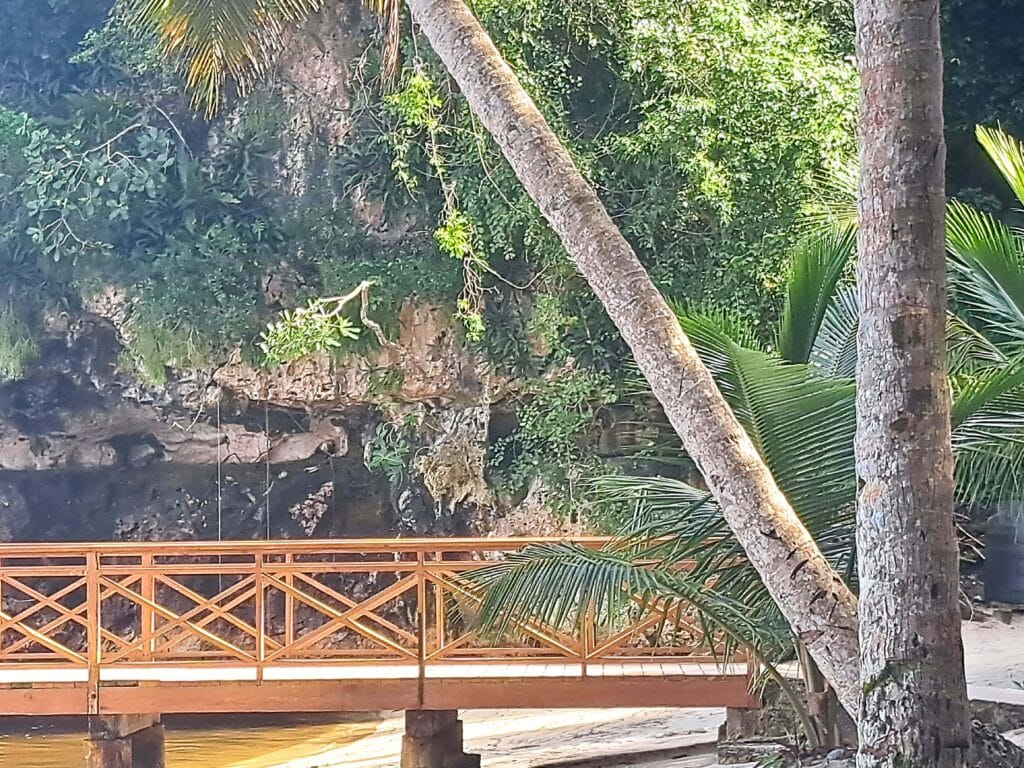
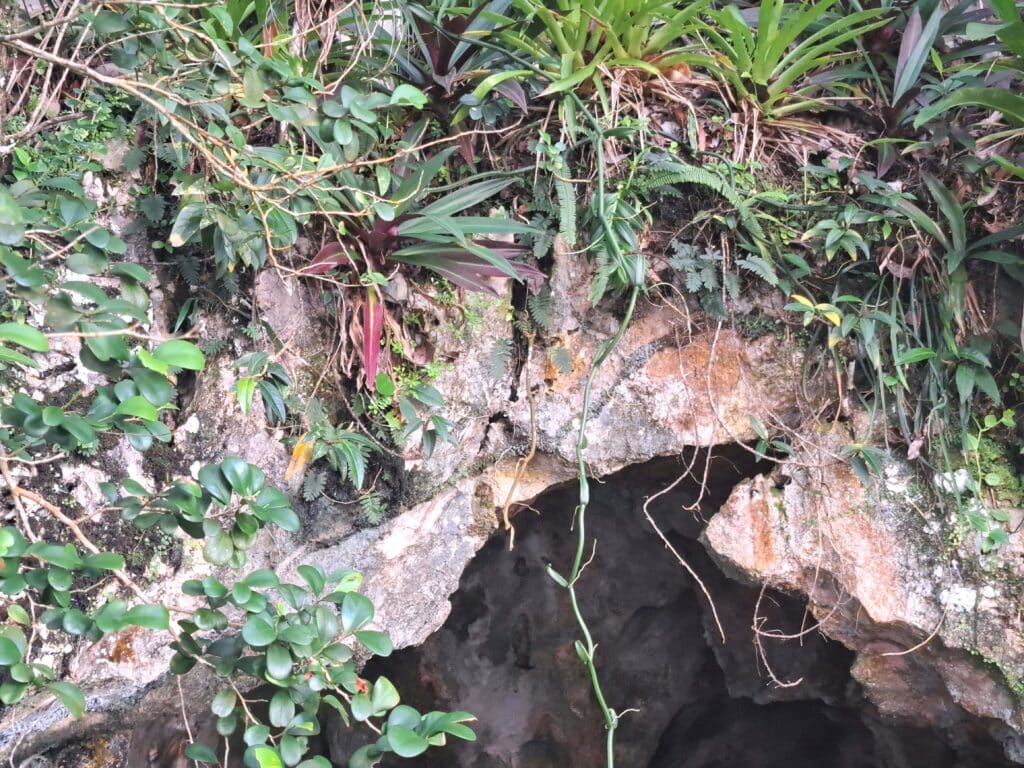
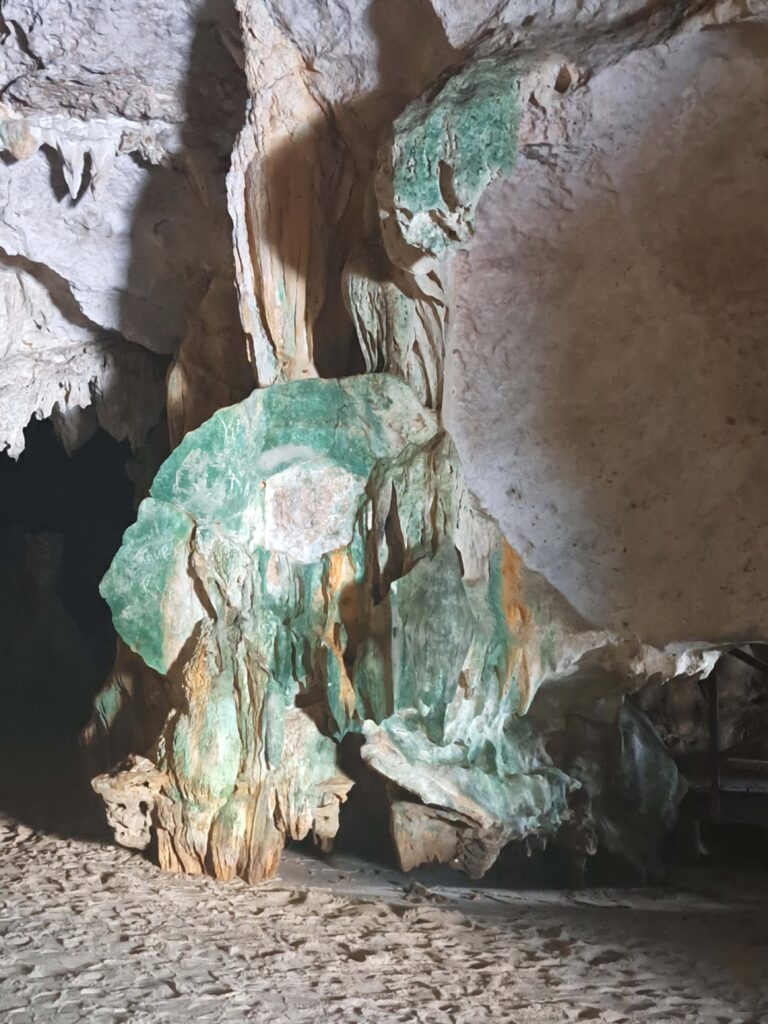
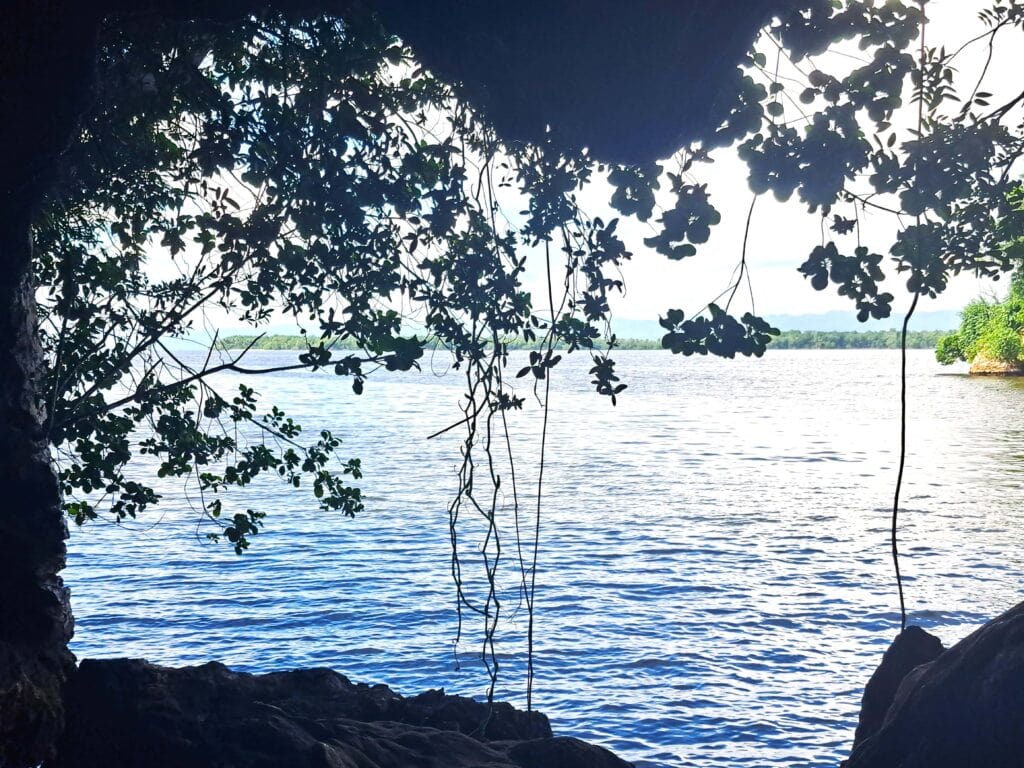
A small sandy beach with a jetty leads to the Cueva de Arena.Wooden walkways connect the individual cave sections.View into a cave from the water.Lush vegetation everywhere…Inside the cave…View from the cave…
Rio Cano Hondo
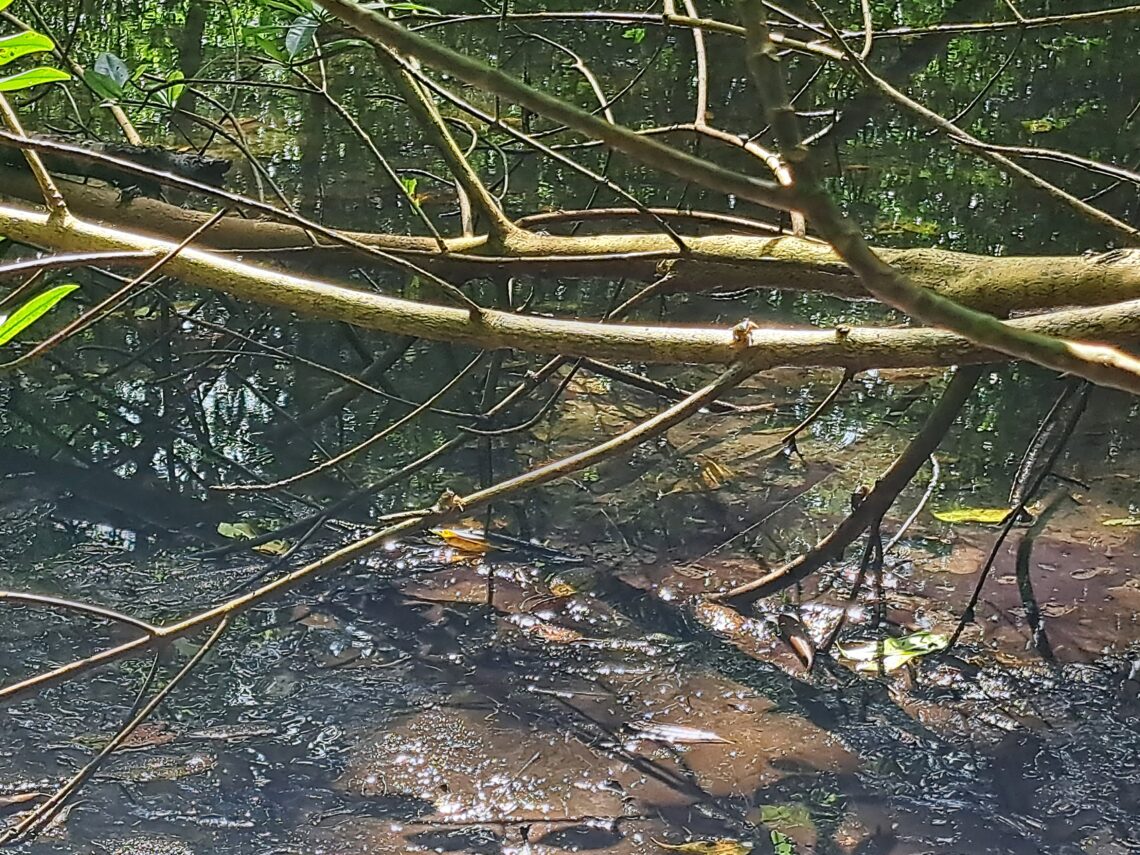
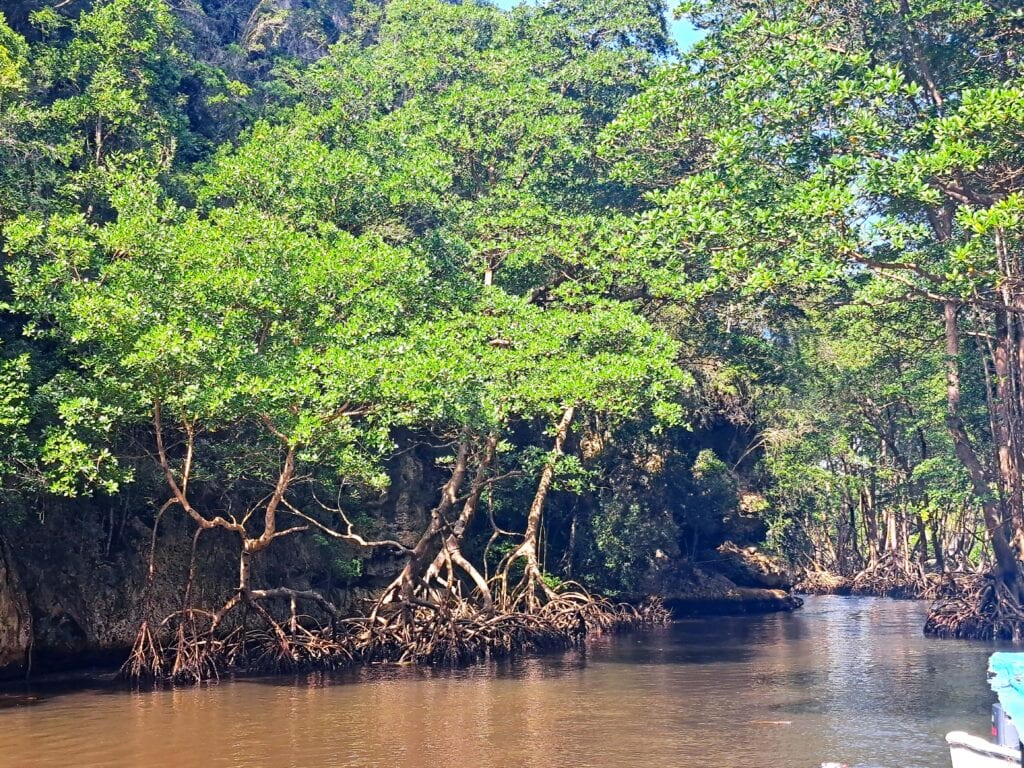
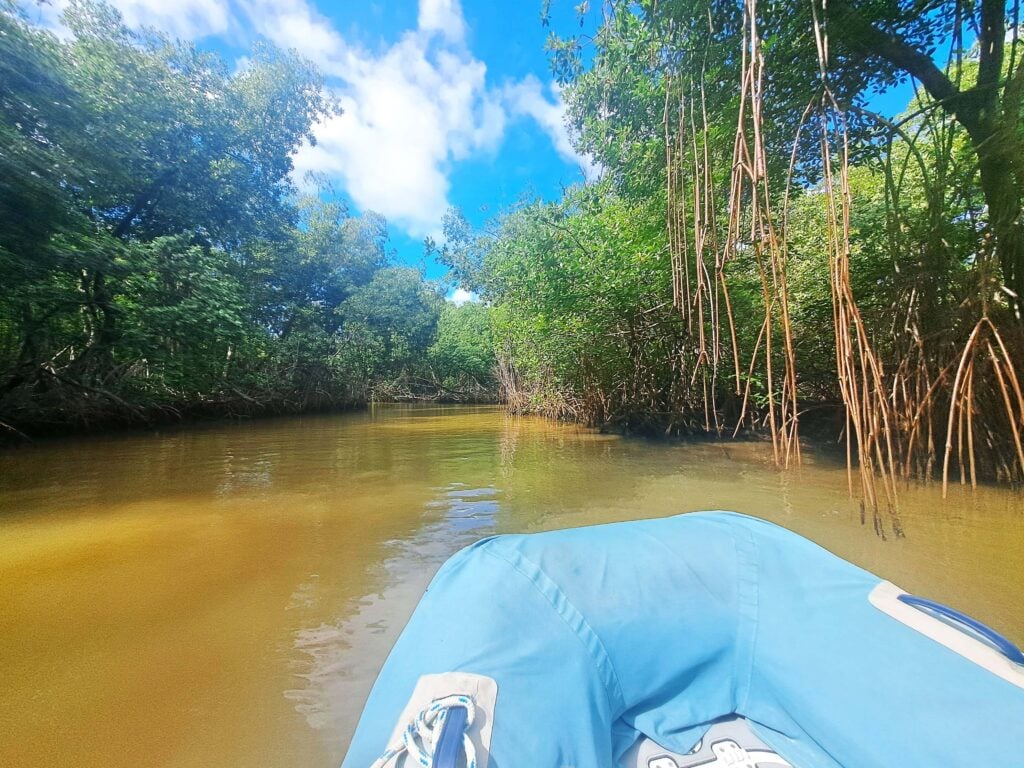
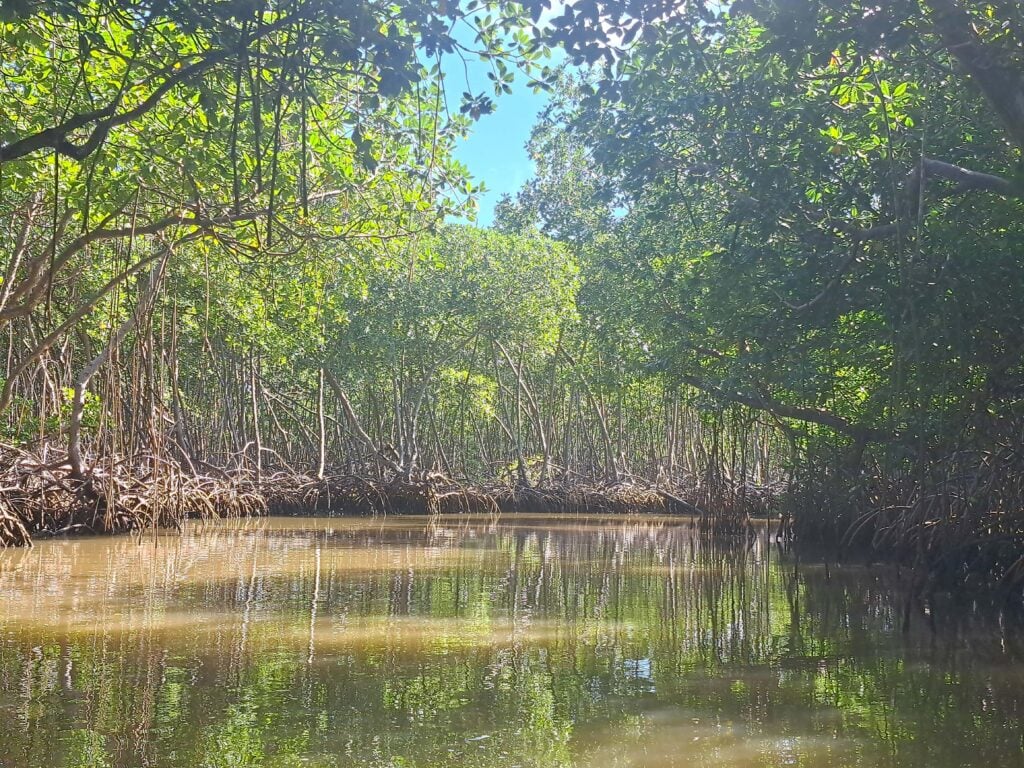
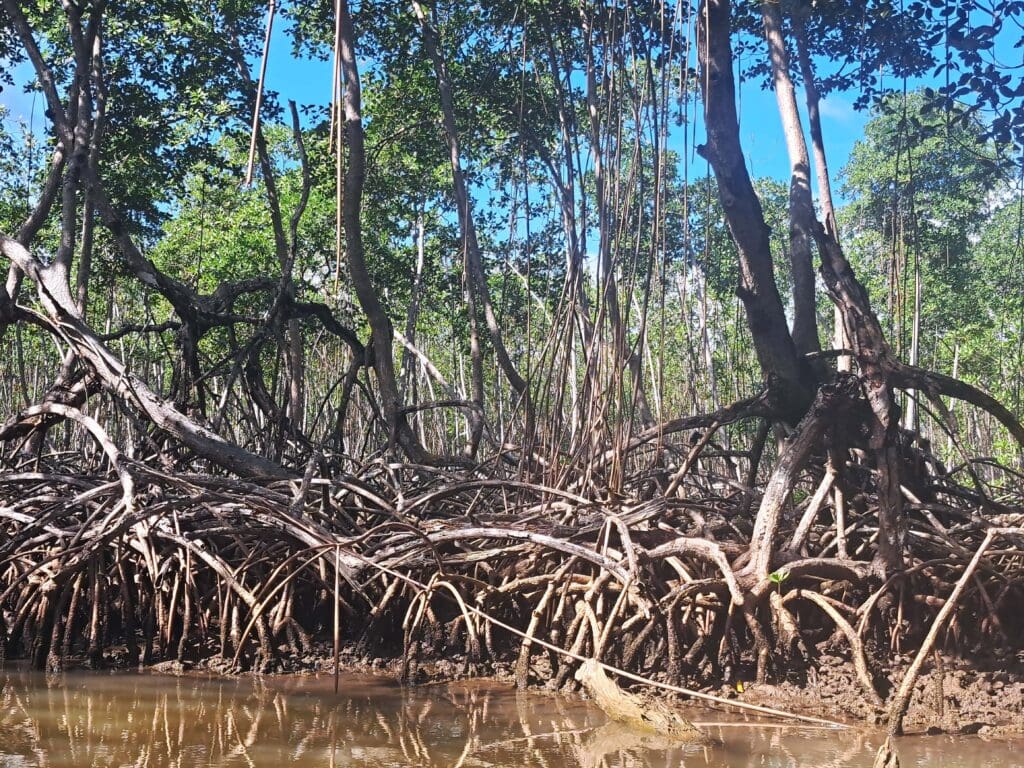
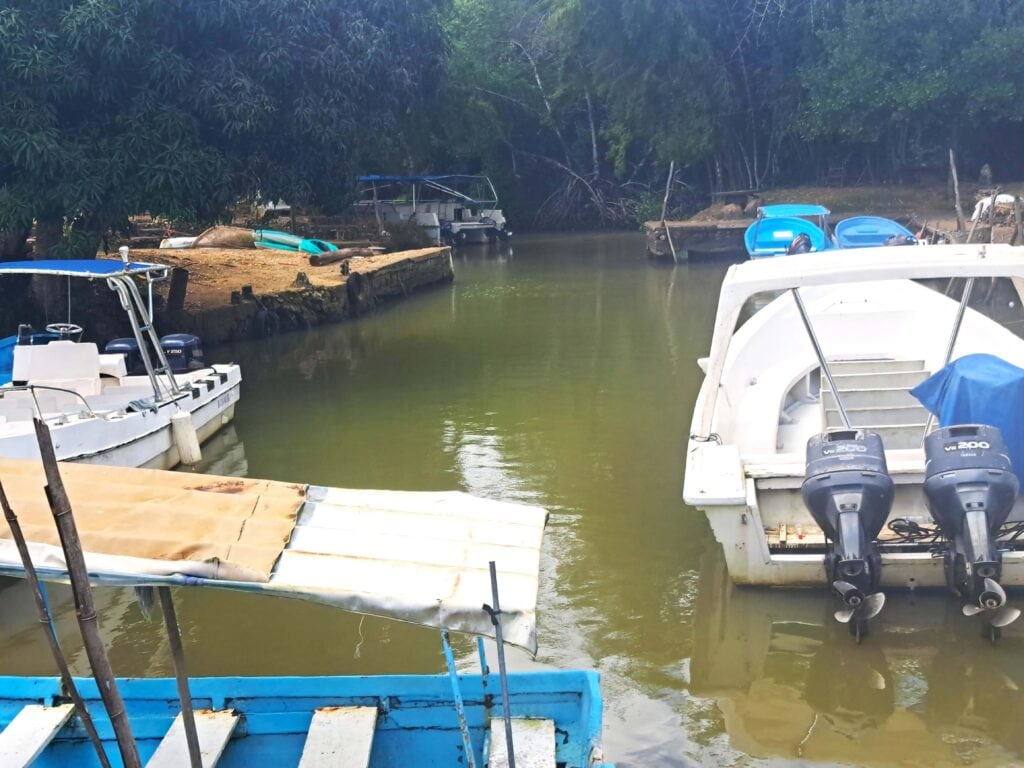
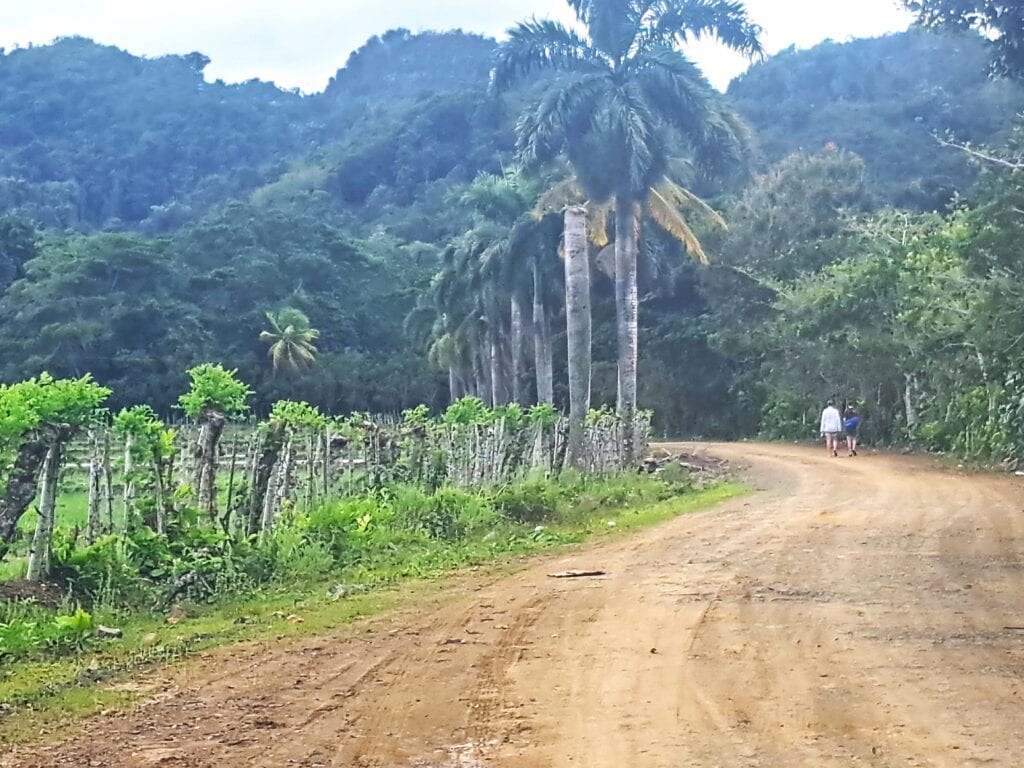
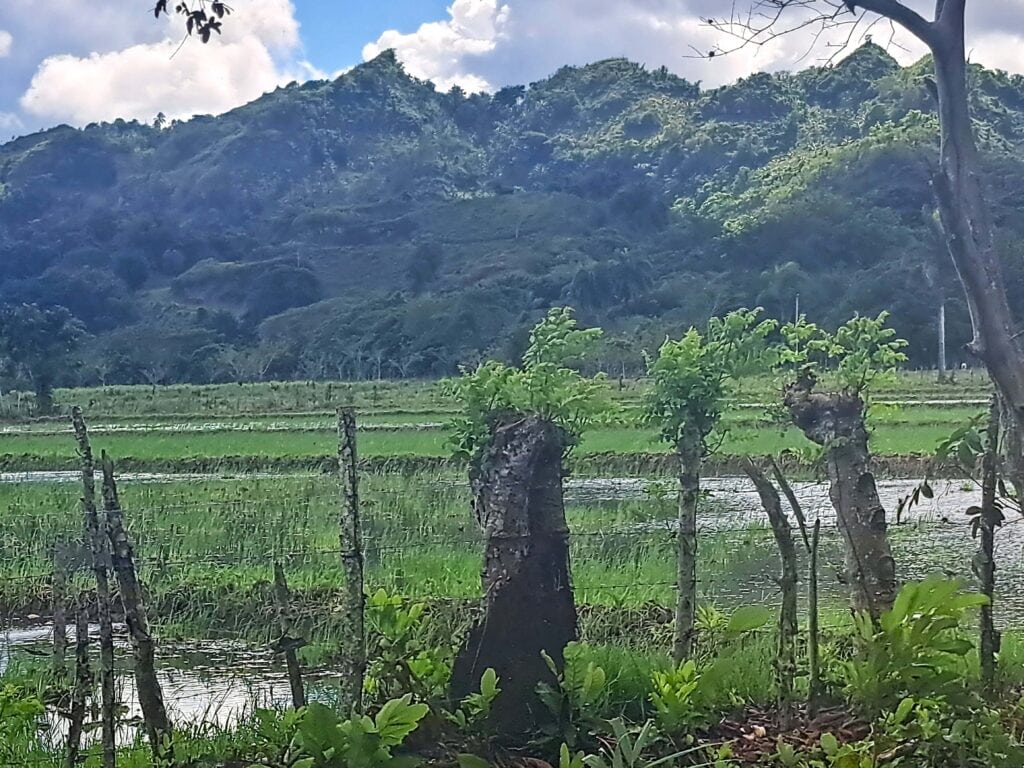
We take the dinghy into a tributary, the Rio Cano Hondo, of the Yuna River.The water is brown in color from the mud it carries.Light mangrove forests line the riverbank.We travel up the river for about half an hour to the jetty – from here it is no longer navigable by dinghy.From here we continue on foot…Rice fields line the roadside – fed by the Yuna River.Los Haitises National Park - Dominican Republic 39
The goal of the short hike is:
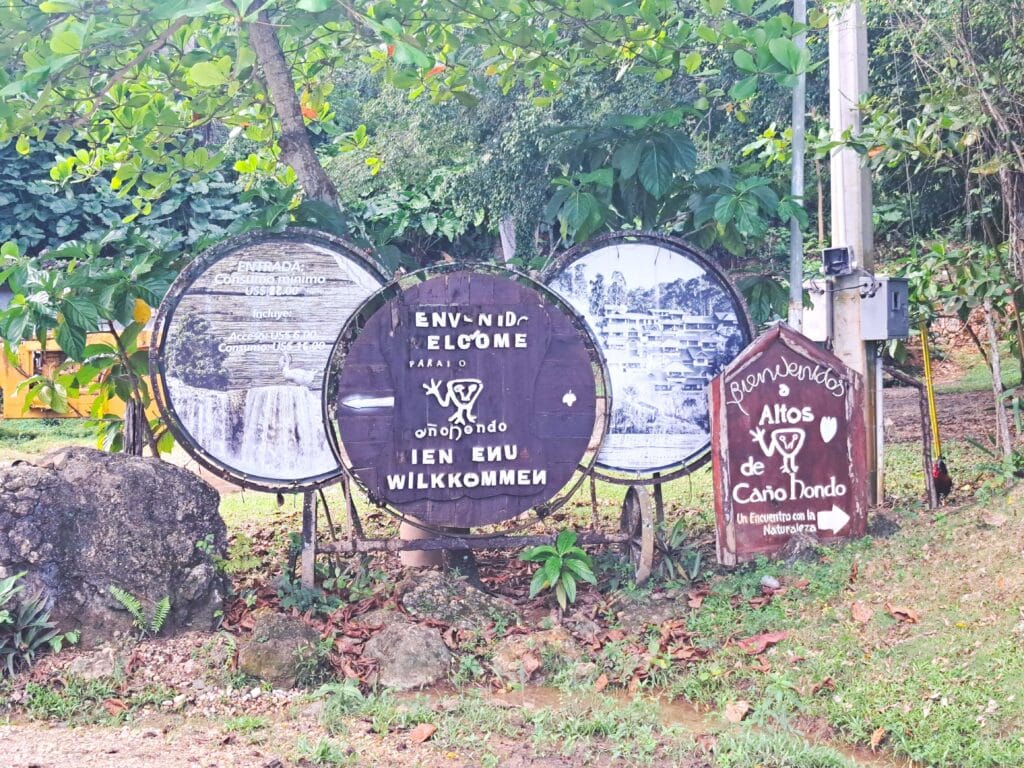
Lodge Paraiso/Altos de Cano Hondo
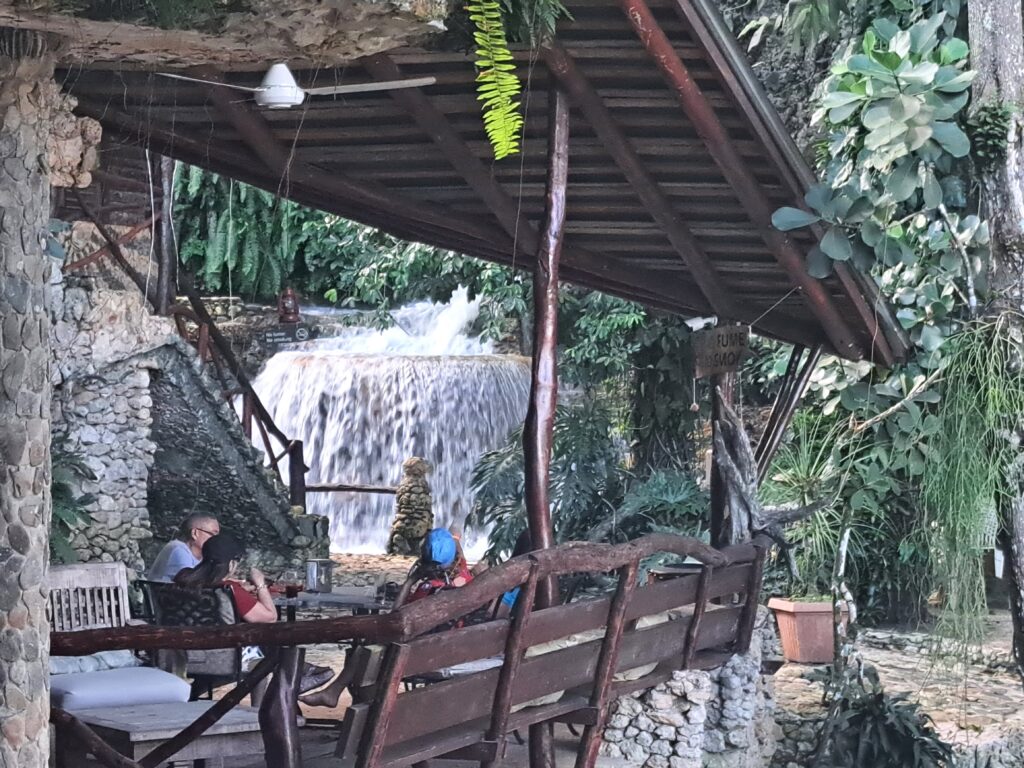
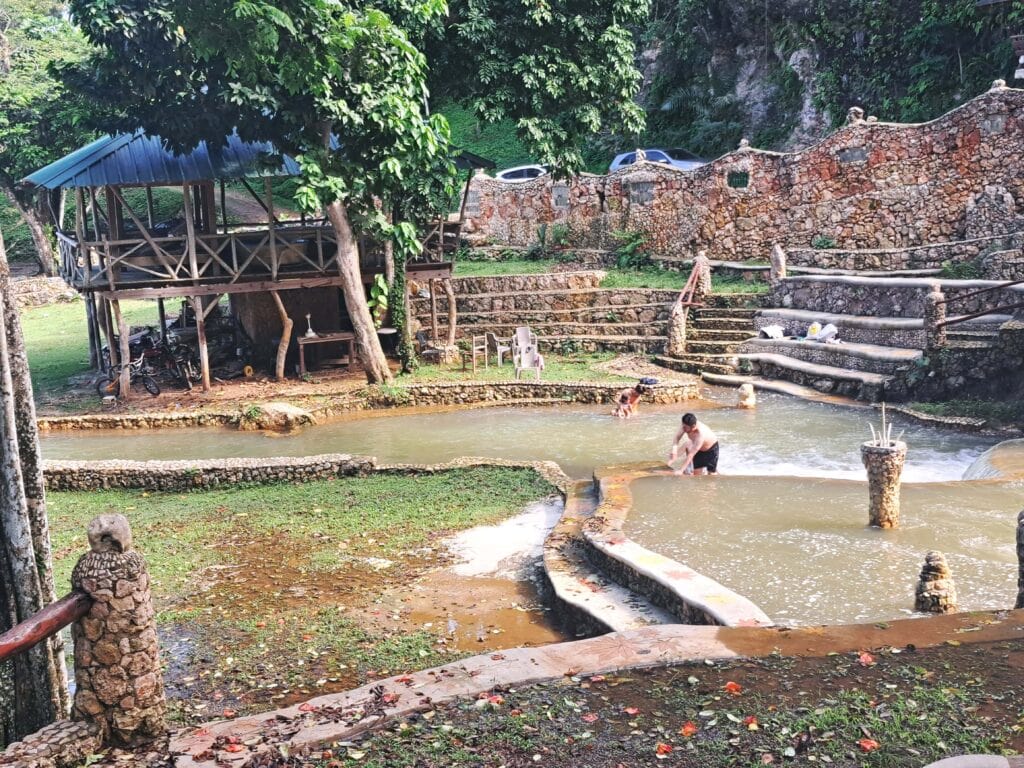
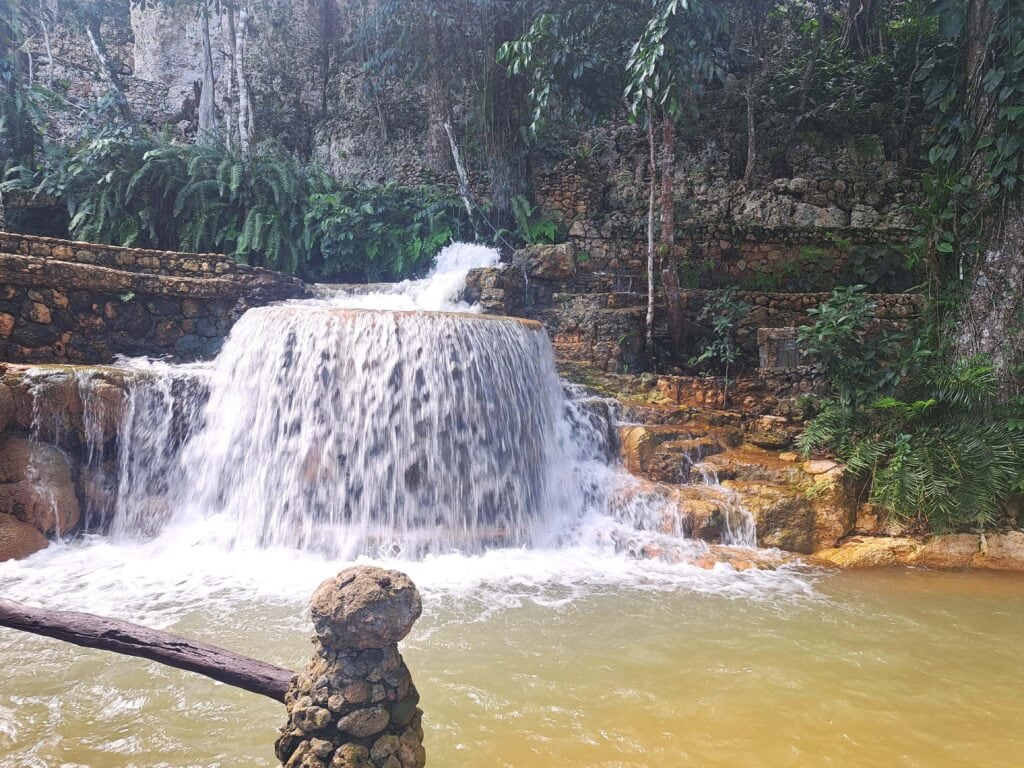
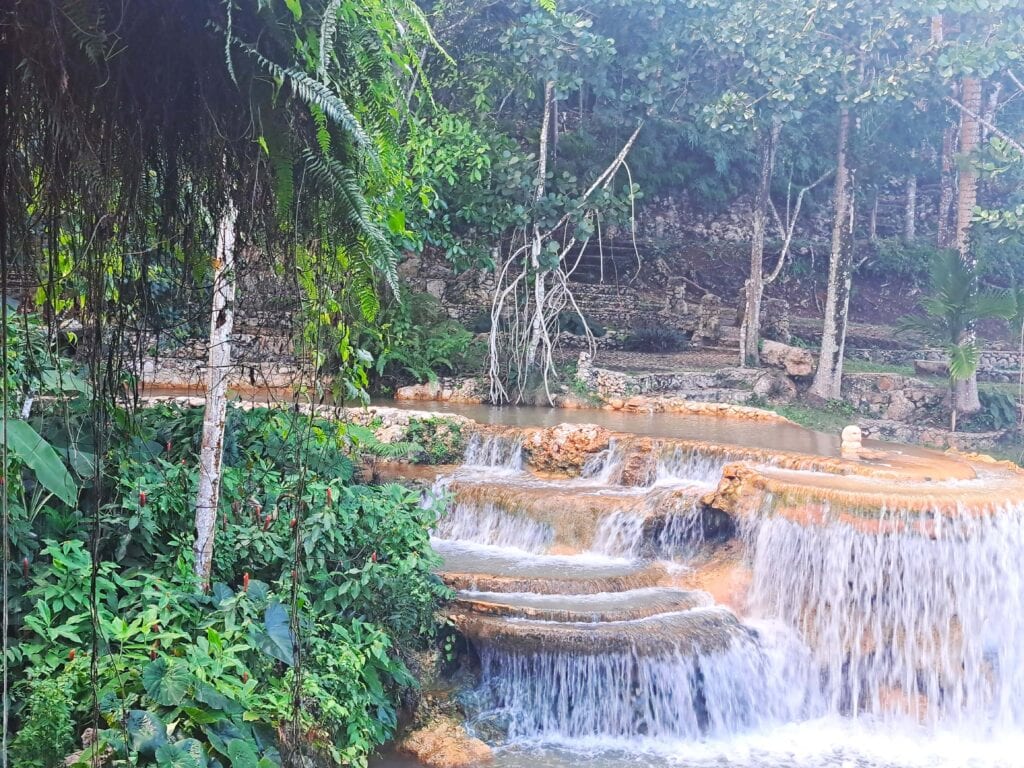
Lodge located in the national park.There are overnight accommodations and a restaurant – for an entrance fee of around 1200 DOP (around 17 €) we can stay here for a day including a buffet with soft drinks.The complex includes a number of brick pools in which guests can bathe.The water basins are fed by various mountain springs of the Yuna River, which are brought together there.Los Haitises National Park - Dominican Republic 40
Conclusion: Is it worth visiting Los Haitises National Park?
We spent three nights in the national park and thoroughly enjoyed it. The water is murky due to the runoff from the Yuna River and isn't ideal for swimming. However, you can explore the area extensively by dinghy and explore the tributaries. Several caves are open to visitors; admission to the Cueva de las Lineas costs 100 DOP (approximately €1,50). A permit is required to visit the national park – a maximum stay of four nights was possible – and the permit was issued free of charge.