Salt pans, salt crystals and West Indian flamingos…
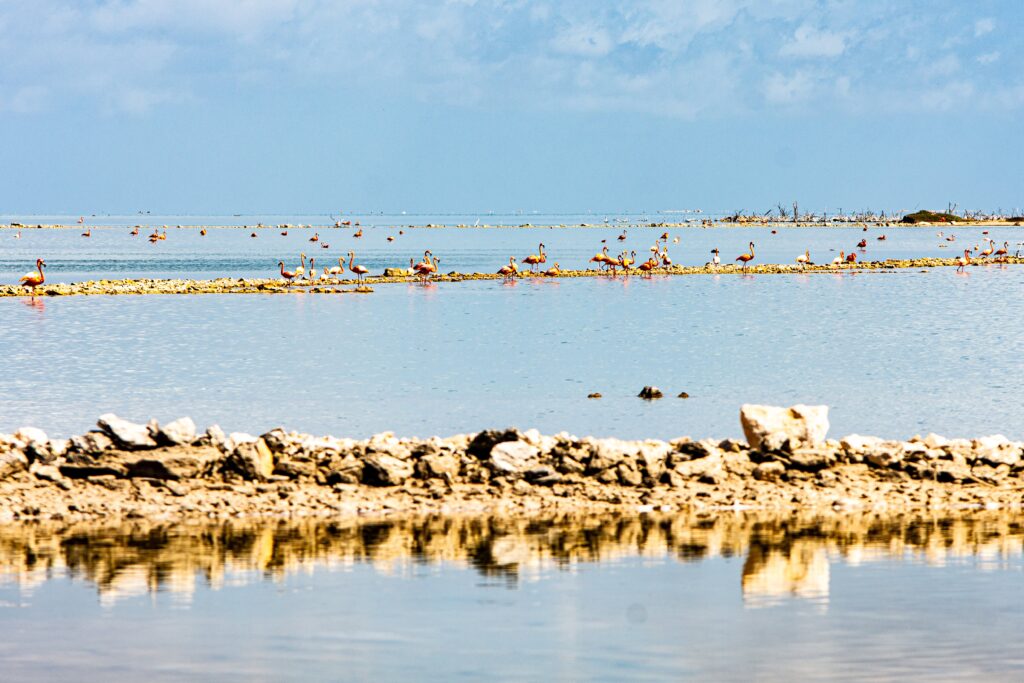
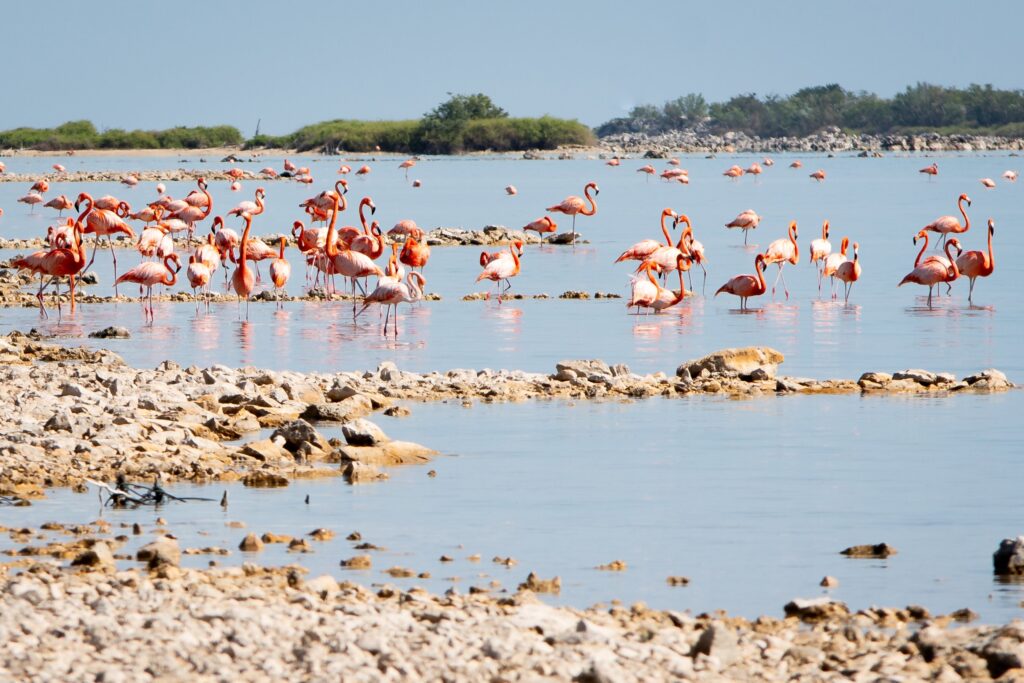
Great Inagua is home to the largest flamingo colony in the Western Hemisphere. We were curious and decided to take a closer look.
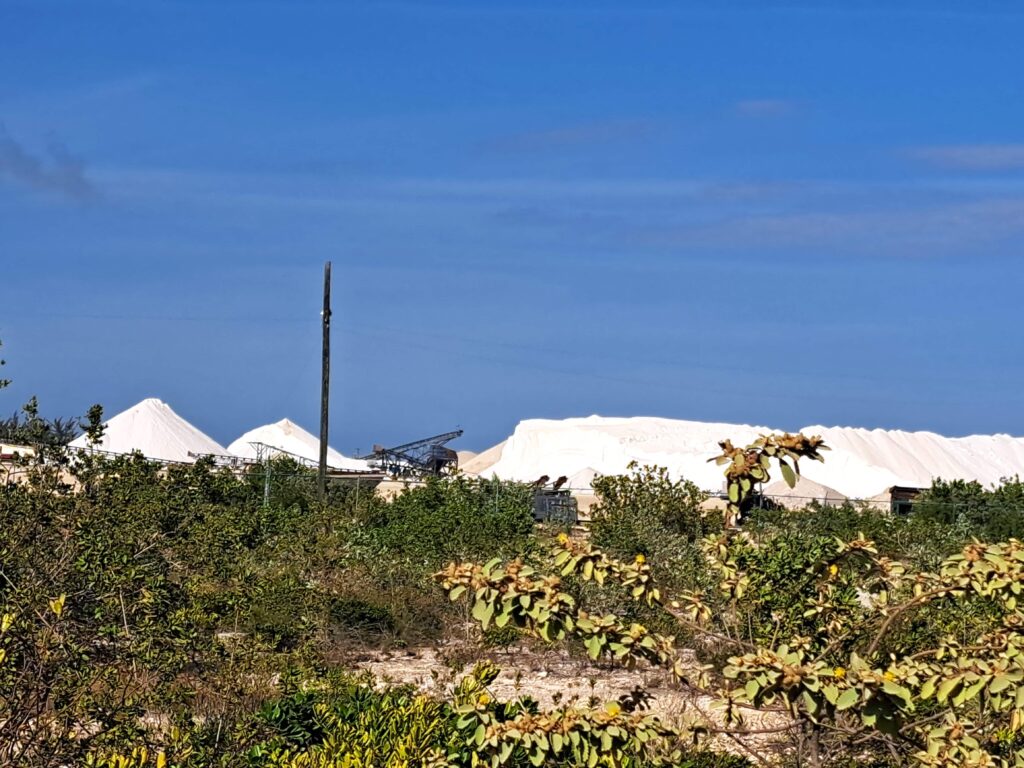
The main source of income on Great Inagua Island in the Bahamas is salt production. An area of approximately 300.000 hectares is flooded with seawater, either naturally or by human activity. After the water evaporates, salt remains, which is transported primarily to the United States.
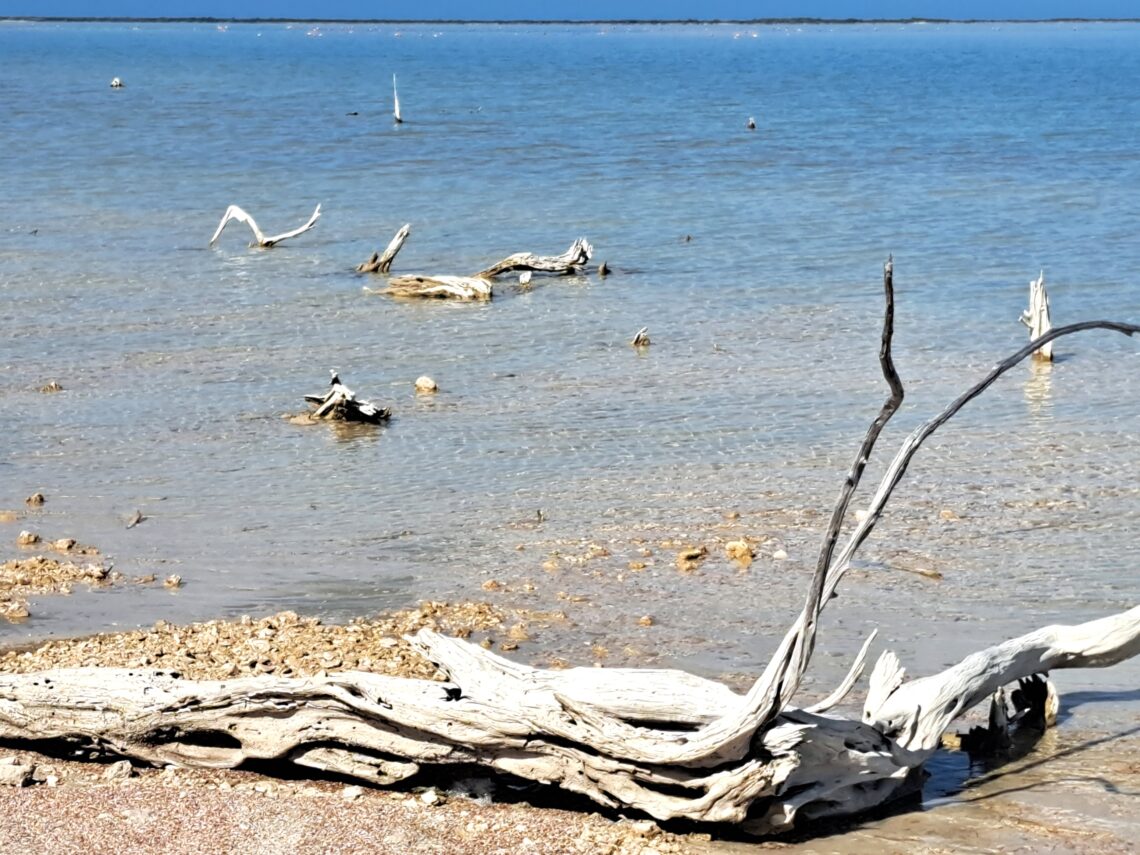
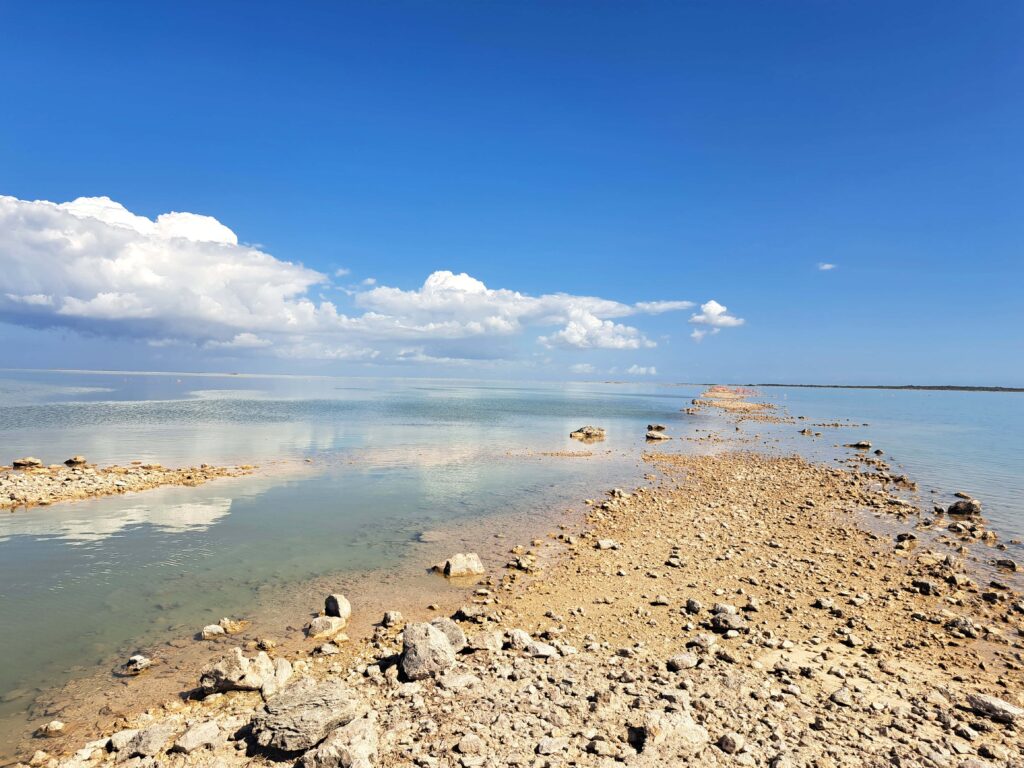
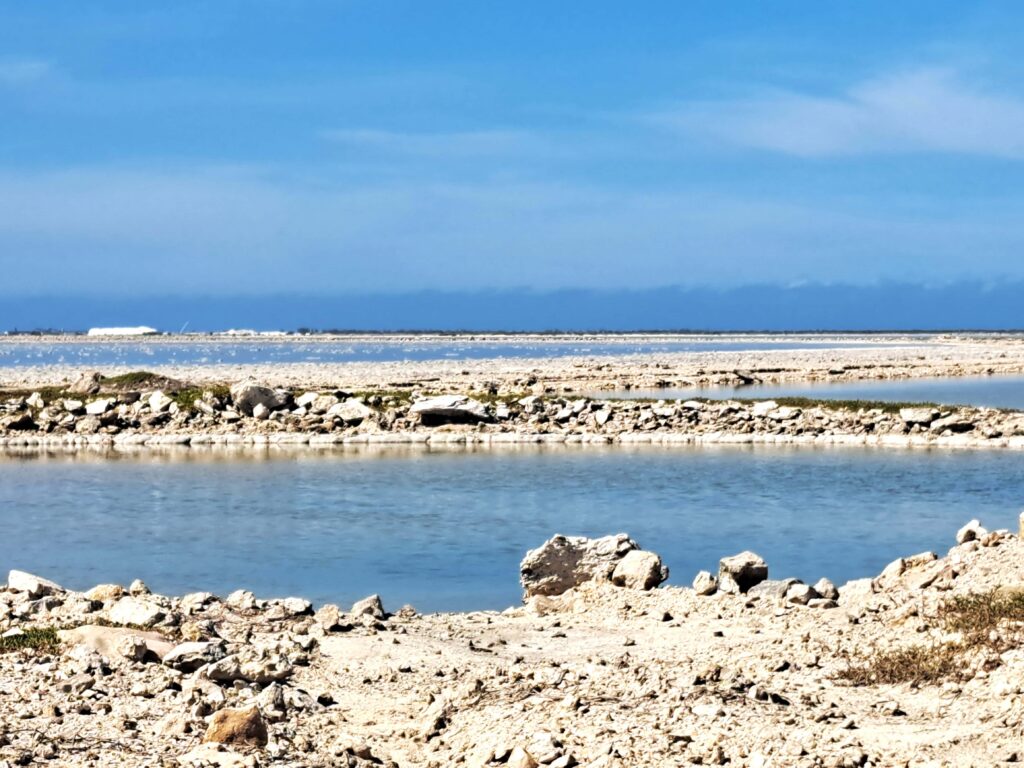
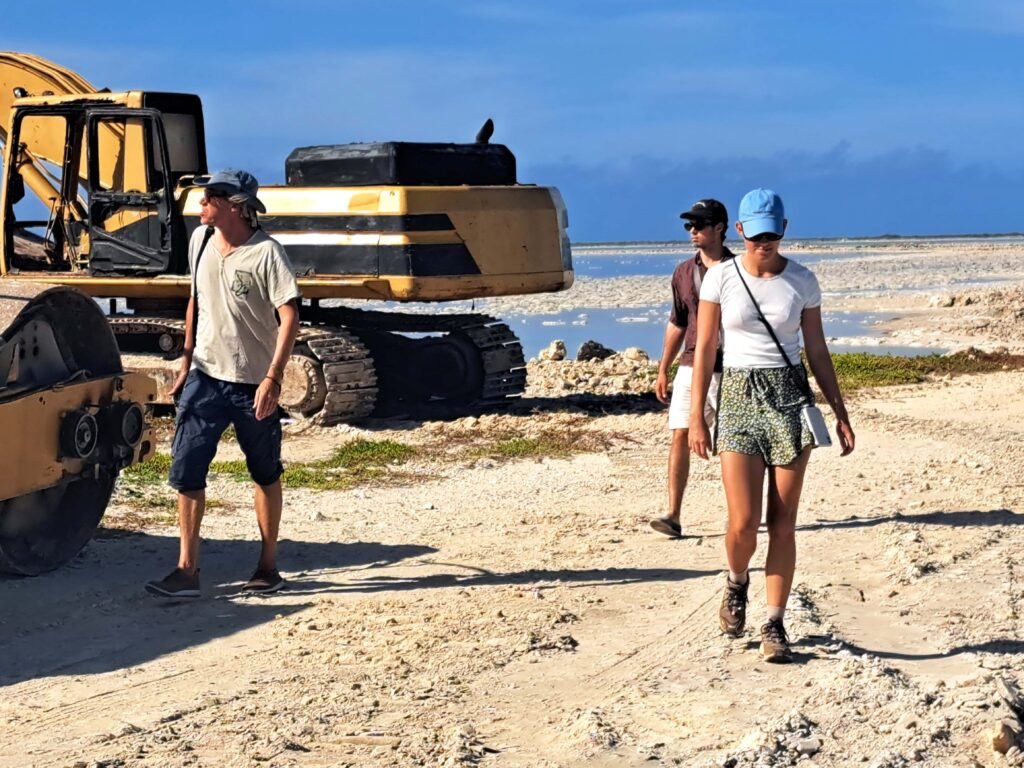
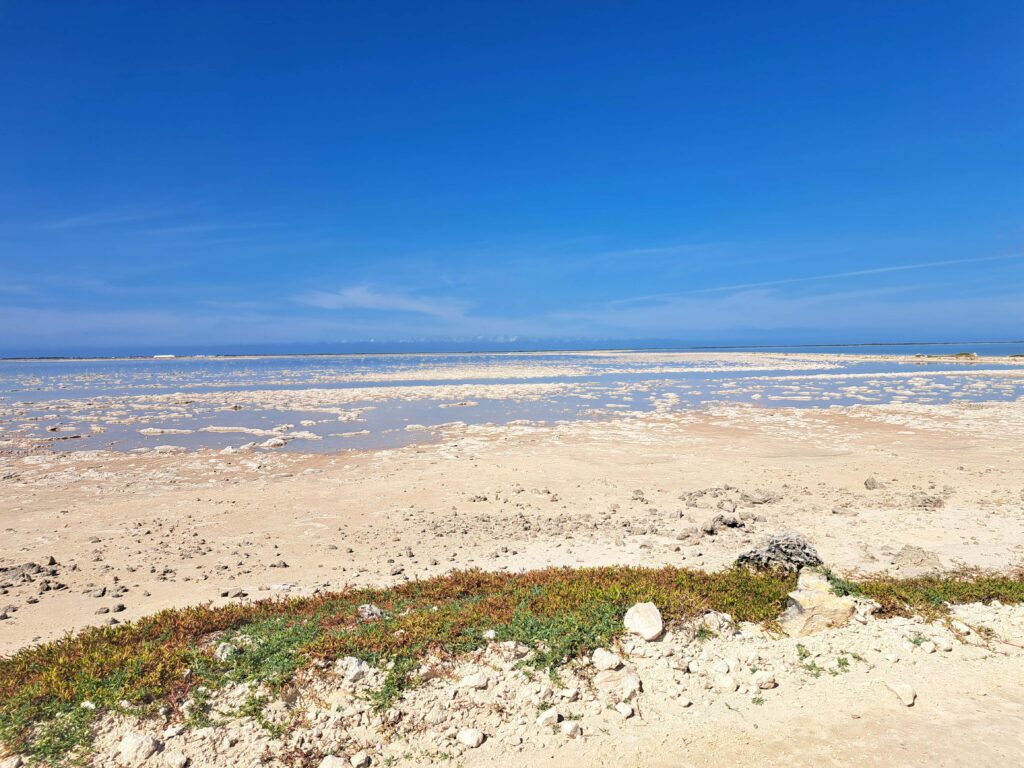
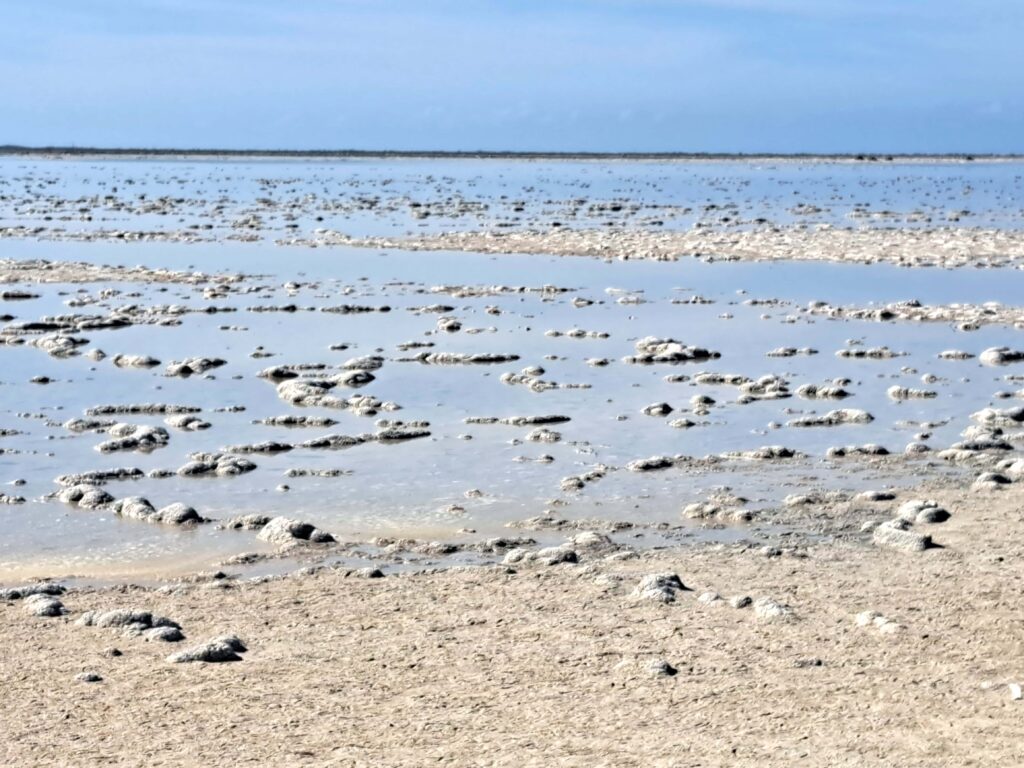
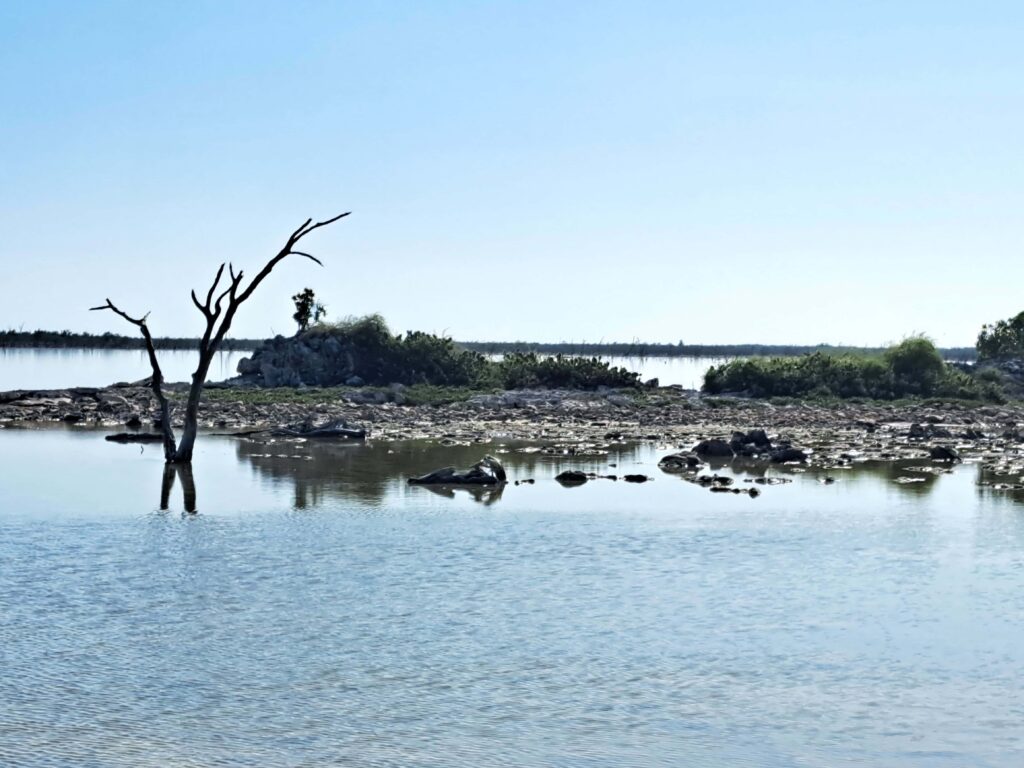
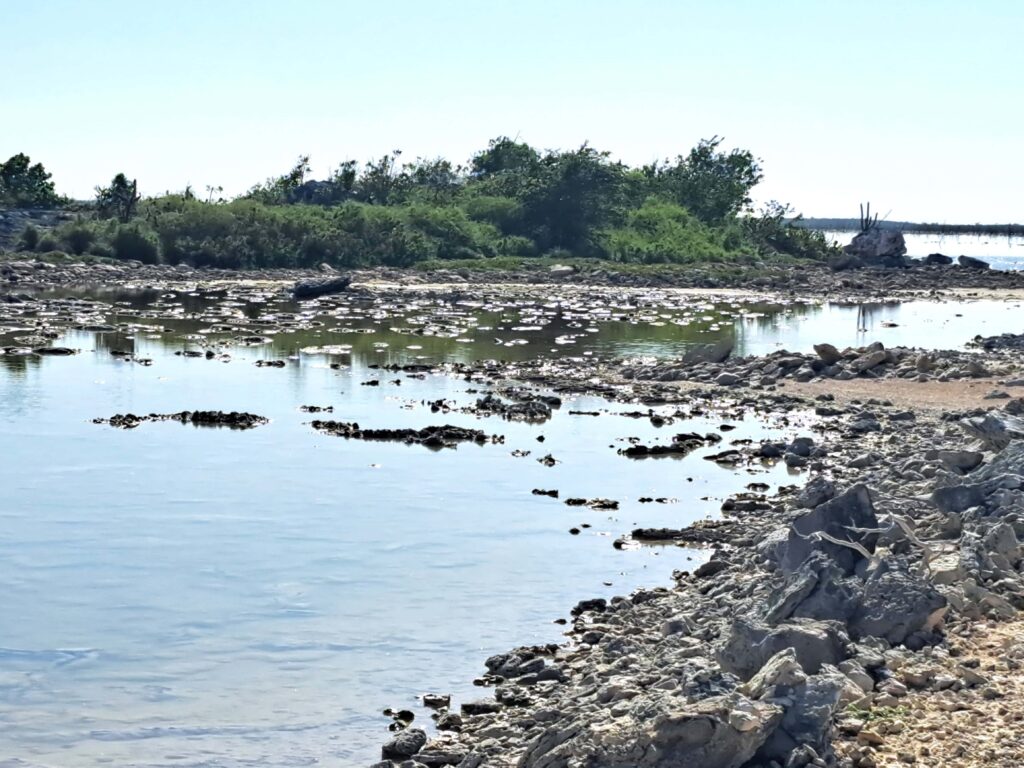
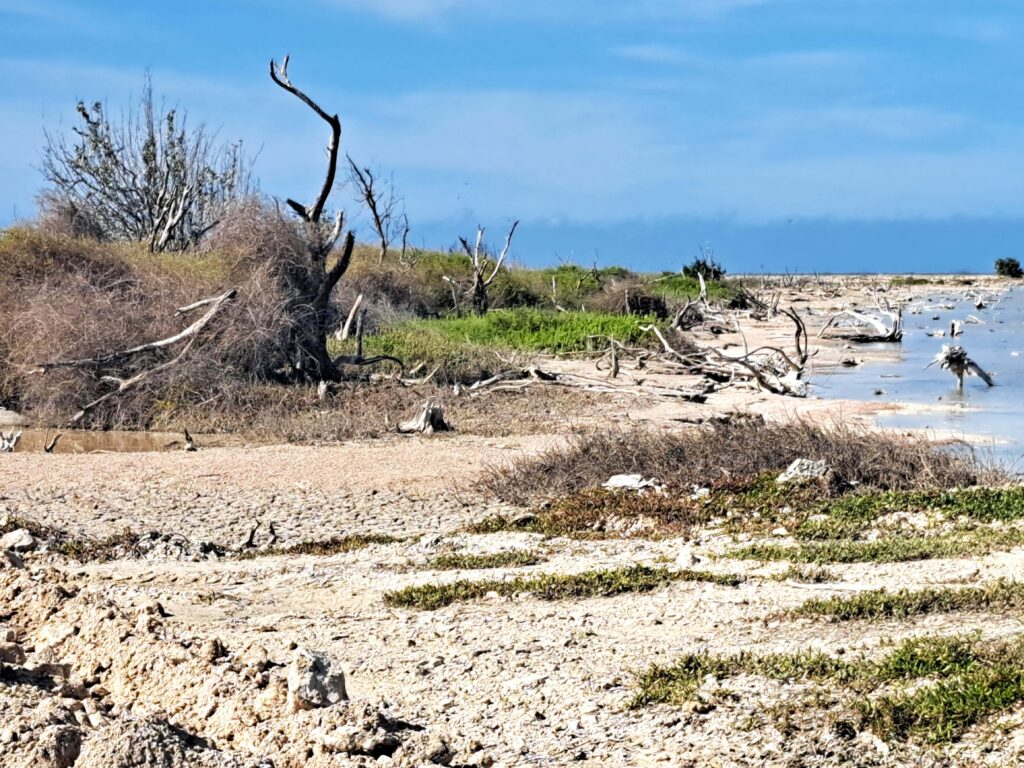
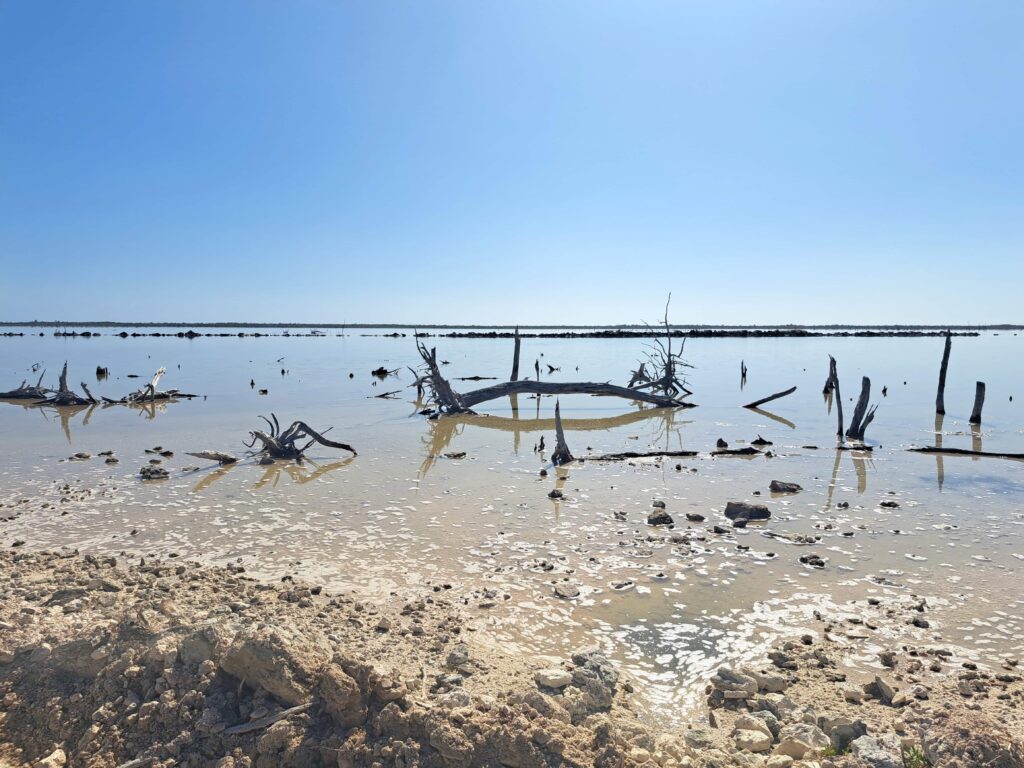
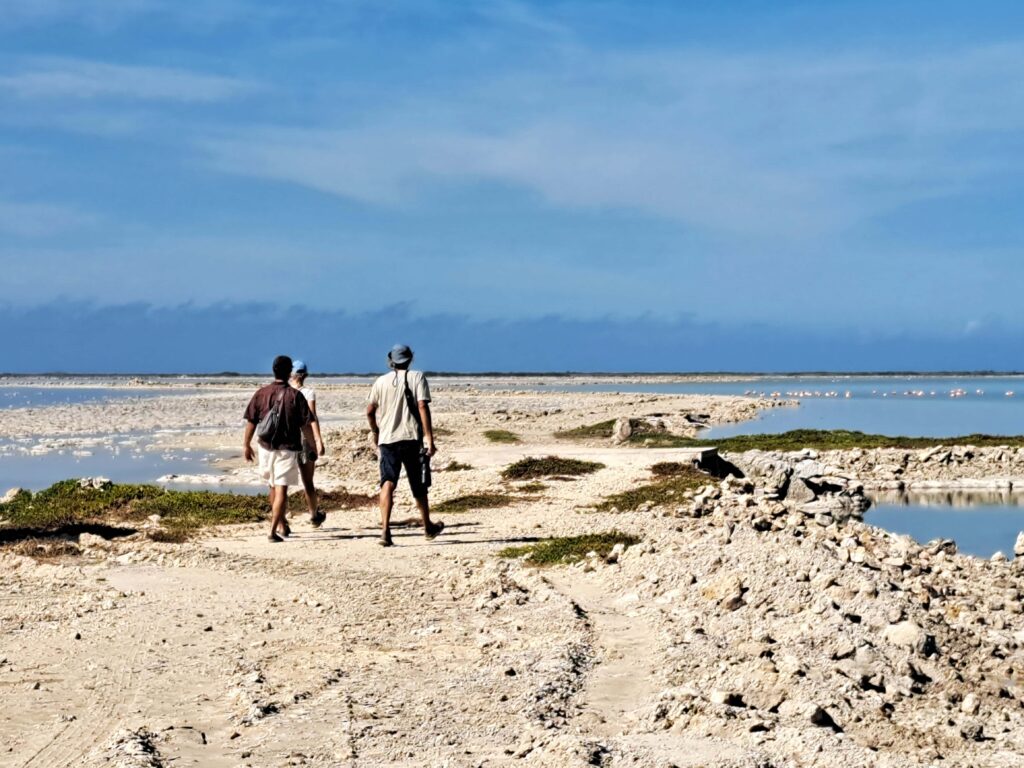
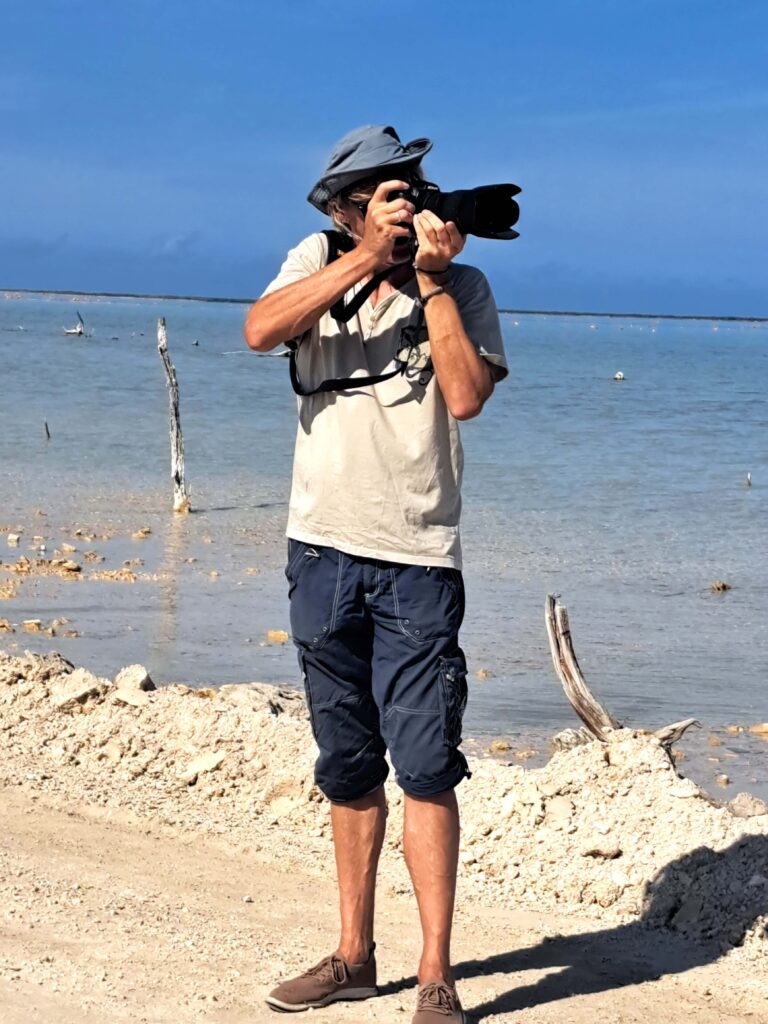
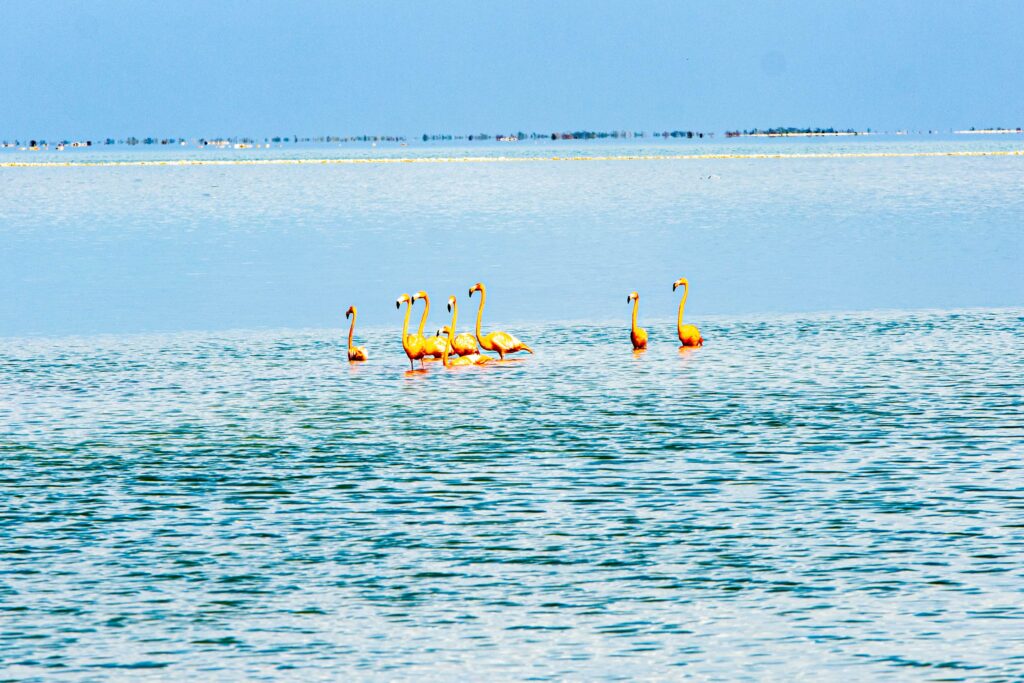
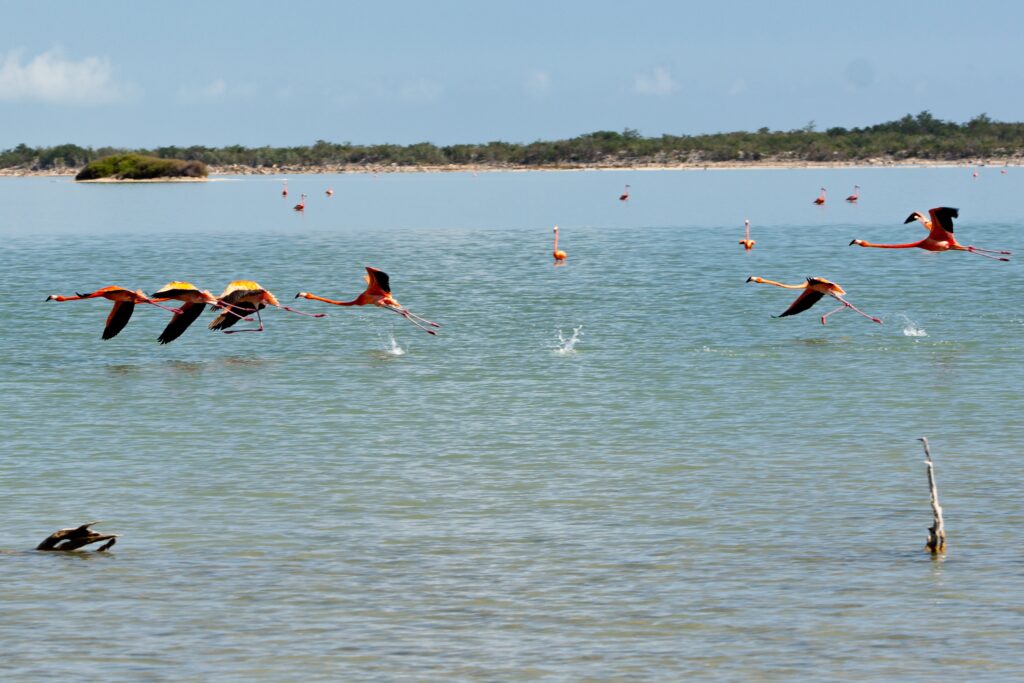
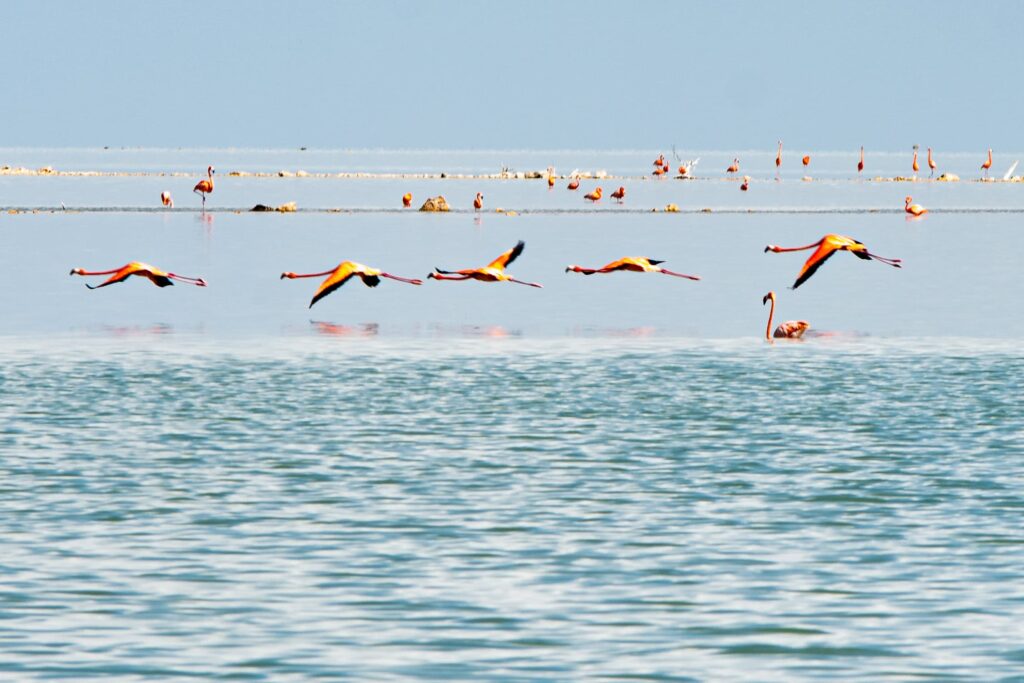
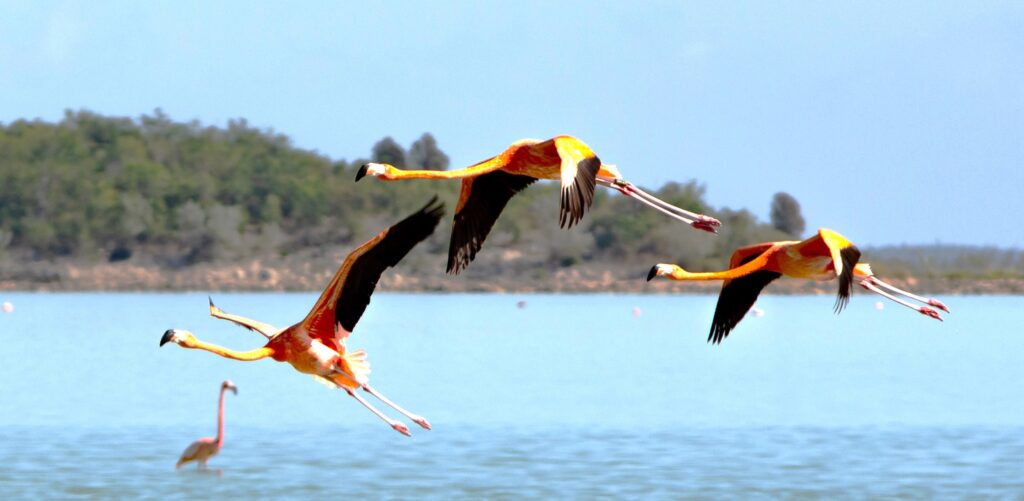
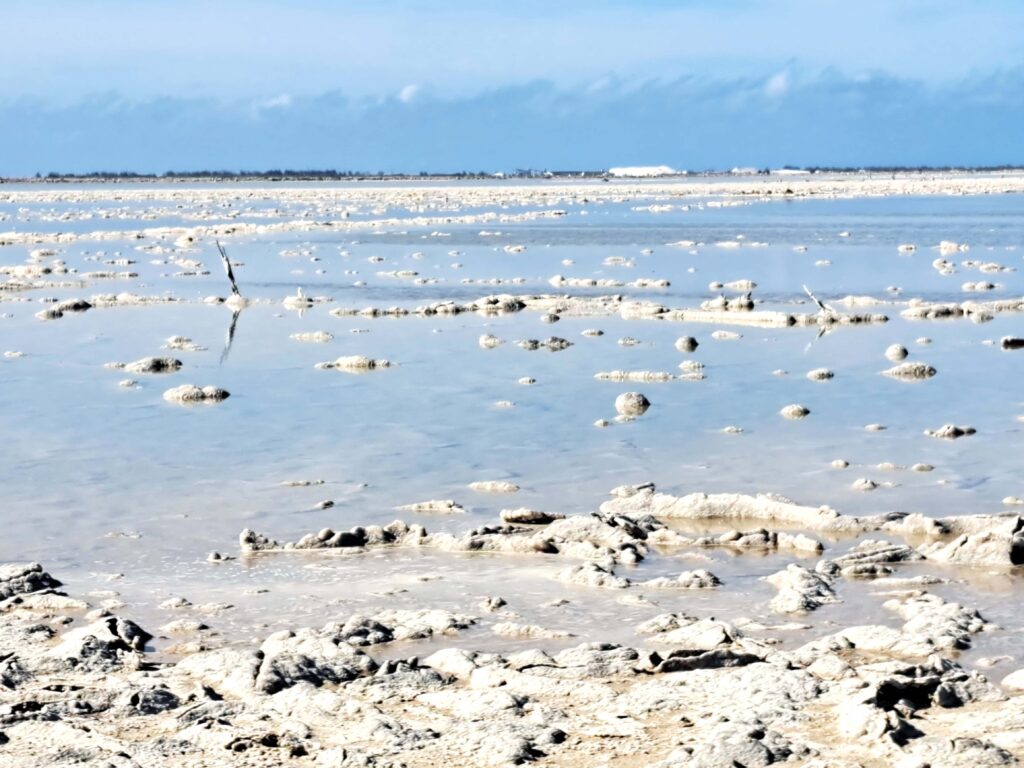
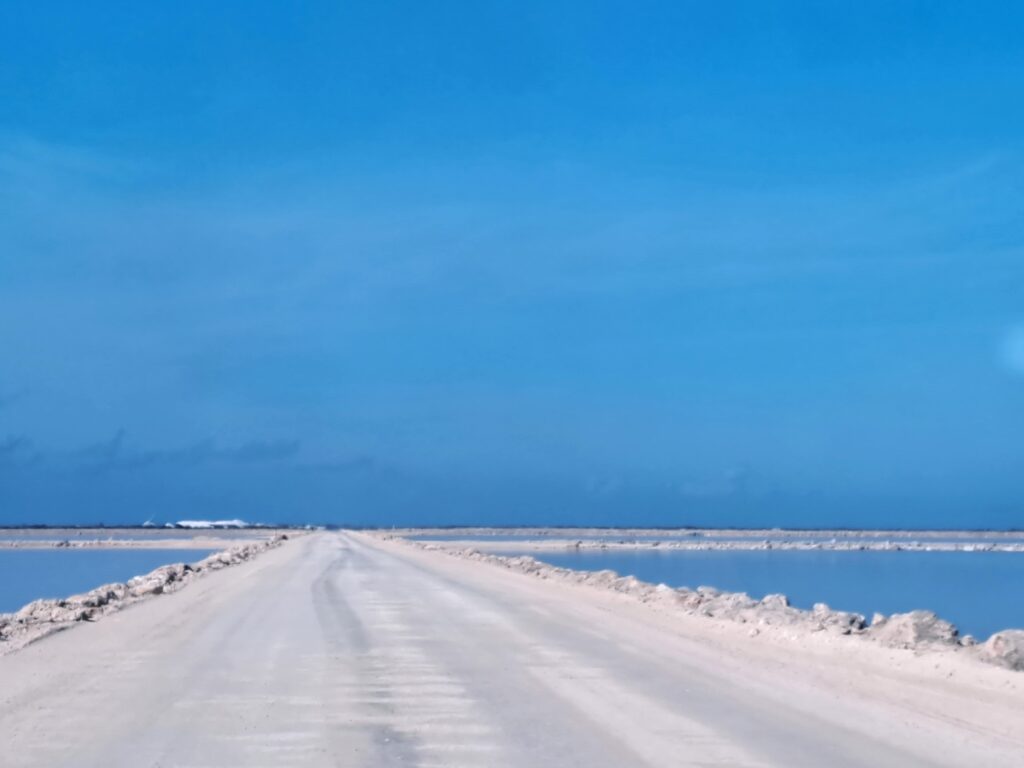
We drive by jeep to the 300.00 hectare salt flats area of the outer Bahamas island: Great InaquaThe area consists of countless salt basins.New basins are constantly being pushed out using the excavator.After the seawater evaporates, the salt remains in the pool.Salt fieldNewly flooded salt basinsSalt flats in various stages of evaporation as far as the eye can see.If new basins are dug, the vegetation is destroyed by the salt.What remains is a bizarre landscape.Algae form in the salt pools, which in turn provide a habitat for brine shrimp. With the brine shrimp come the flamingos… to capture these shy animals with our cameras, we have to leave the car and approach on foot.The animals don't let us get that close – only good camera equipment can help.The West Indian Flamingo was already threatened with extinction.Today, around 70.000 flamingos roam Great Inagua.The pink plumage comes from the brine shrimp they eat here.Take off from the water into flight.Even though they mostly stand in the water, flamingos can also swim.Close-up study of flamingo flight
The flamingos only inhabit a small part of the salt pan area.
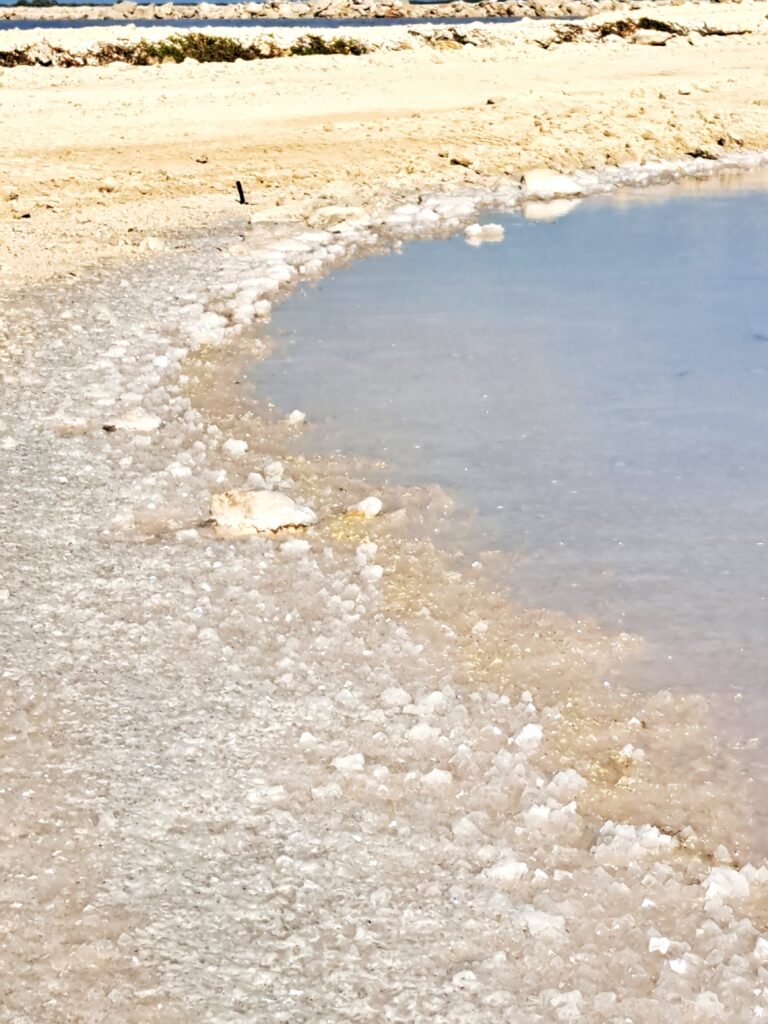
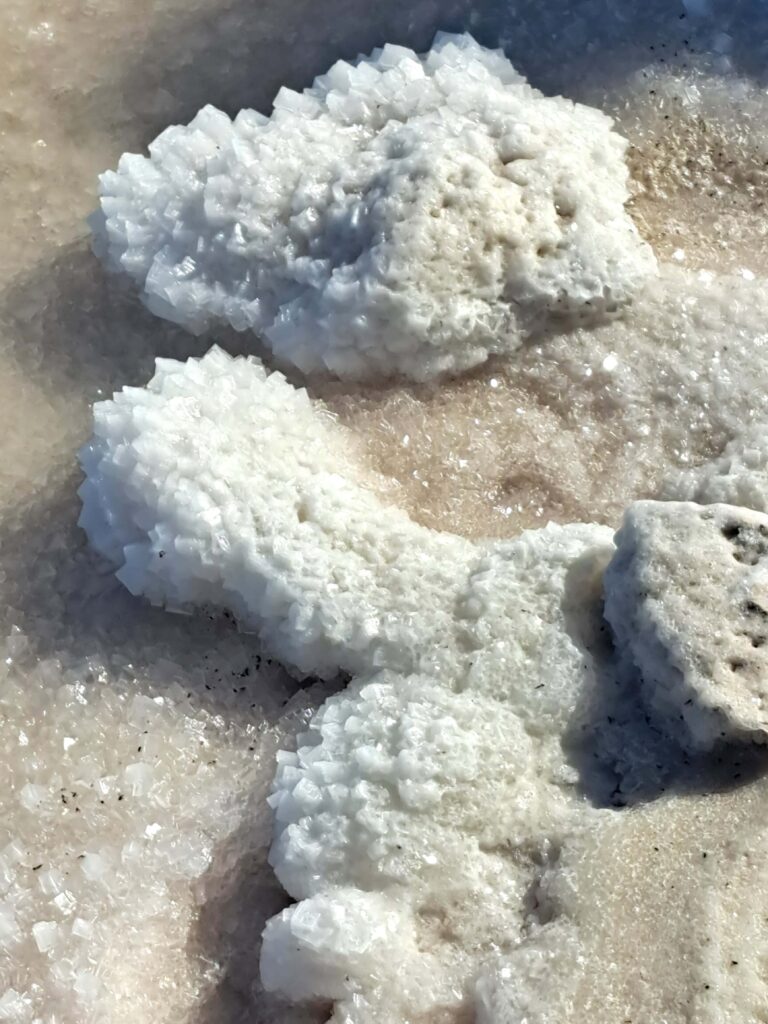
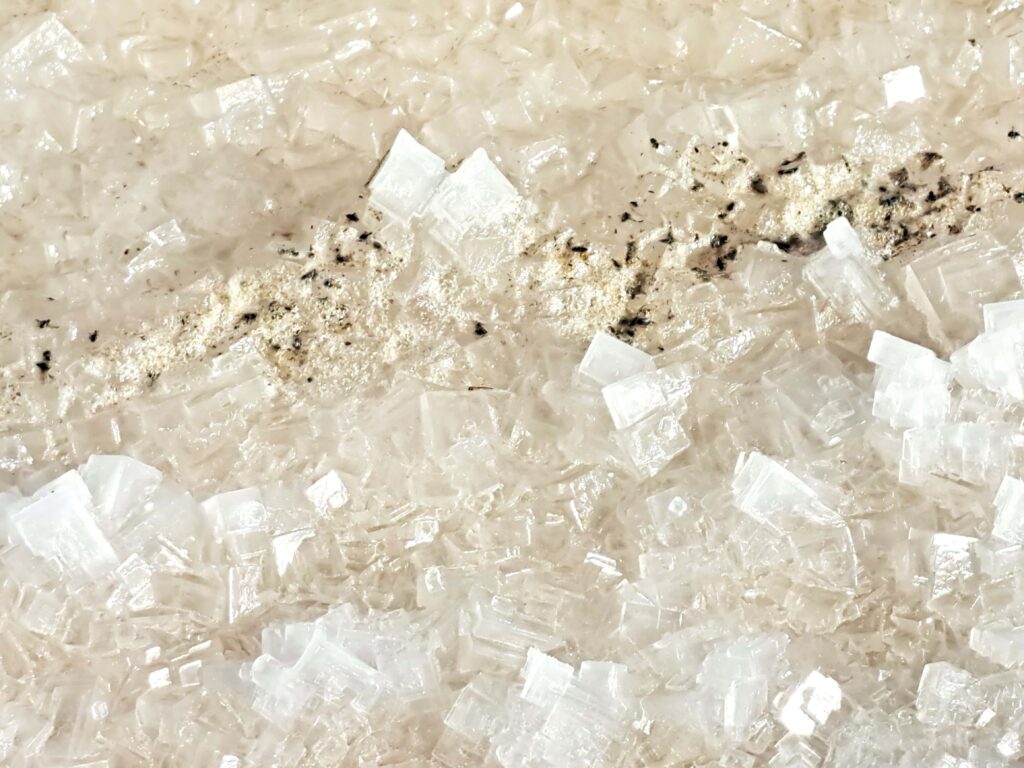
When the water evaporates, the algae disappear, along with the brine shrimp and the flamingos' food. All that remains is the salt.The salt crystals sparkle in the sun.The salt rock is hard and quite rain-resistant.We fail in our attempt to break off a piece…Some streets are also covered with salt.
Professional salt mining began in the late 1930s by the three American Erickson brothers.
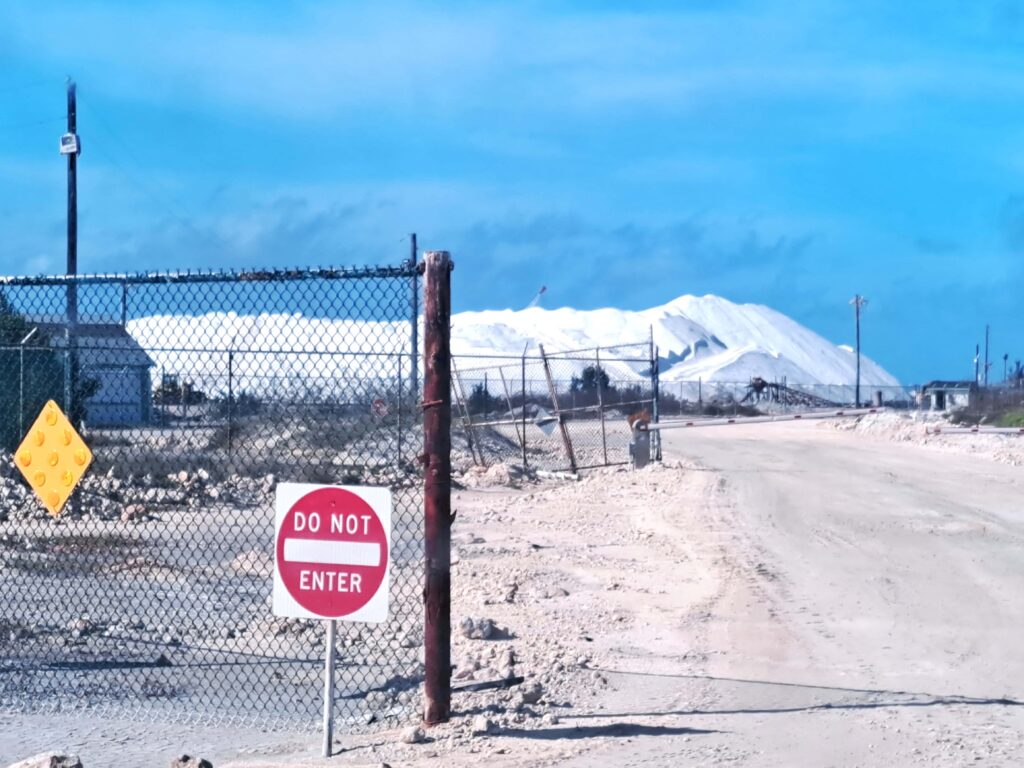
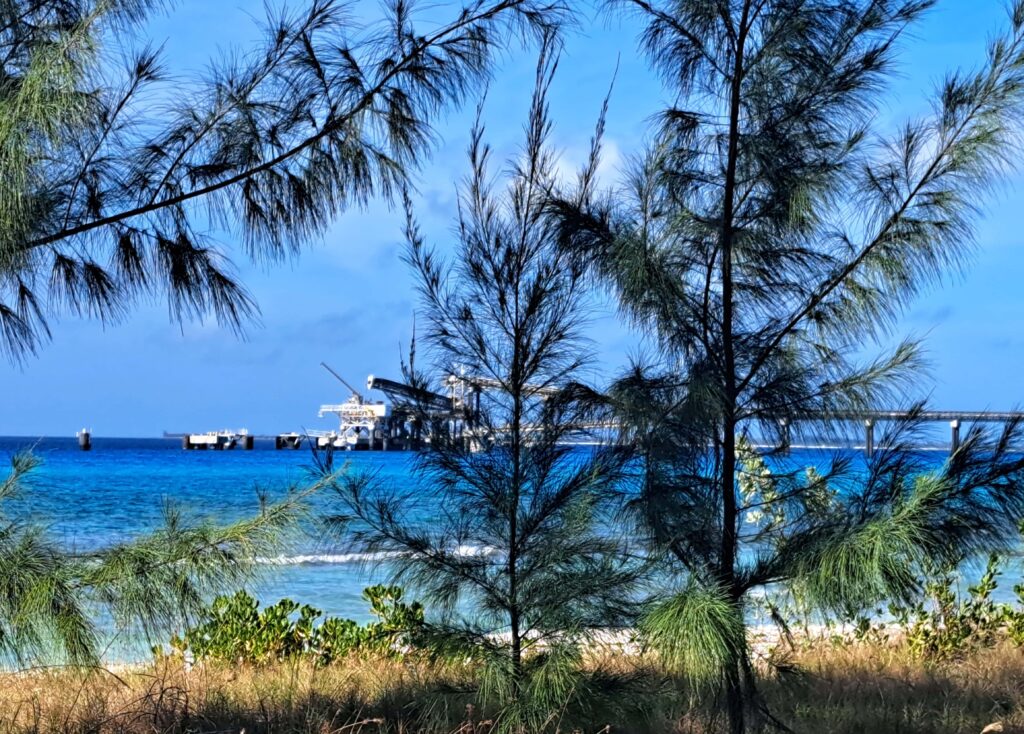
In 1954, Morton Bahamas Ltd. took over salt production from the Erickson brothers and modernized it.Around 1,3 million tons of sea salt are extracted here annually.There is a dedicated loading station – most of the salt goes to the USA.
Our journey took us through bizarre salt landscapes for about two hours, past glittering salt crystals and countless flamingos. Definitely a worthwhile experience.